
The Magic of Macondo: How Colombia’s Landscapes Inspired Gabriel García Márquez’s World
Macondo didn’t appear out of nowhere. It was shaped by real places, real people and the landscapes of Colombia.
What landscapes inspired Gabriel García Márquez? The answer sits in Colombia — rivers, mountains, small-town life. All of it feeding into Macondo, the setting of One Hundred Years of Solitude.
Macondo is fictional, but its roots are real — scattered across Colombia, especially in his hometown, Aracataca. Forget the map for a second. Colombia doesn’t just inspire Macondo — it is Macondo. You feel it almost immediately.
Gabriel García Márquez’s novel One Hundred Years of Solitude (1967) is a masterpiece of magical realism, blending history, myth and fantasy in the saga of the Buendía family in Macondo. A global sensation, it has sold over 50 million copies and won the Rómulo Gallegos Prize. It also played a key role in García Márquez receiving the 1982 Nobel Prize in Literature.
Aracataca: The Real-Life Inspiration Behind Macondo
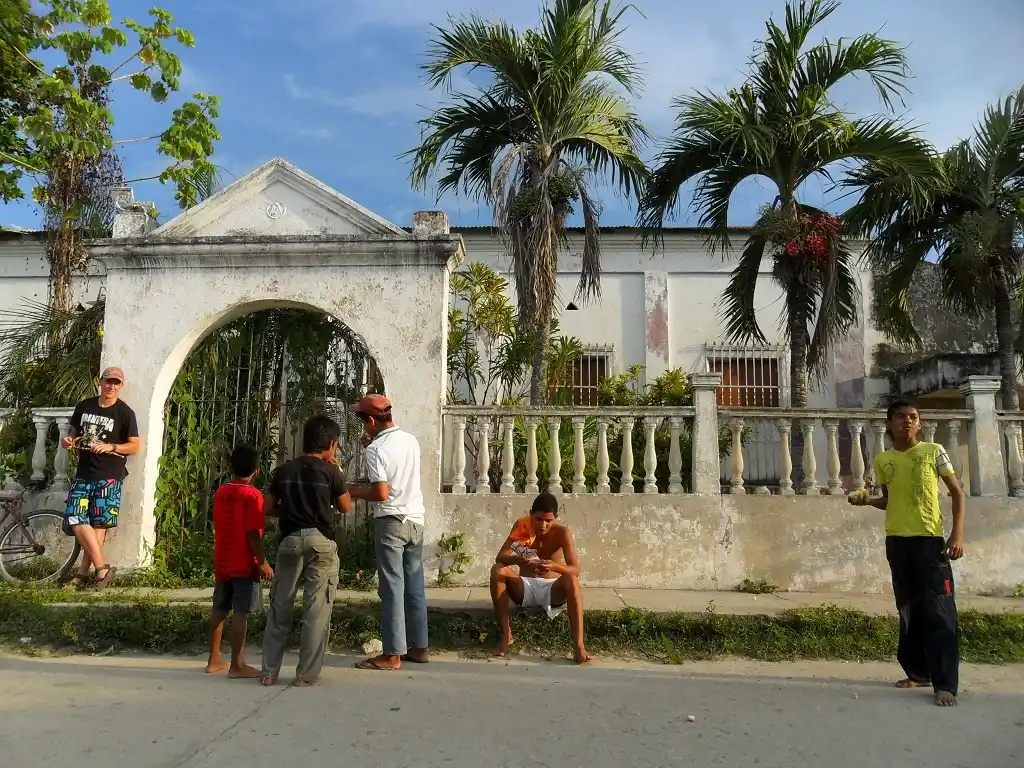
Aracataca isn’t subtle about it — this is where Macondo first took shape, dusty streets and all. It’s the birthplace of Gabriel García Márquez. This small Colombian village, surrounded by thick greenery, became the foundation of it all. Not much has changed.
Walk these streets and you’re not just a visitor — you’re stepping into the pages of his stories. It’s right there in front of you.
Step into Casa Museo Gabriel García Márquez, his childhood home, where reality and imagination start to blur. The rooms and artefacts don’t just tell his story — they drop you straight into One Hundred Years of Solitude. No effort needed.
The atmosphere feels slightly off — in a good way. Hard to explain.

Church in Aracataca where Gabriel García Márquez was baptised. ©Tim Buendía
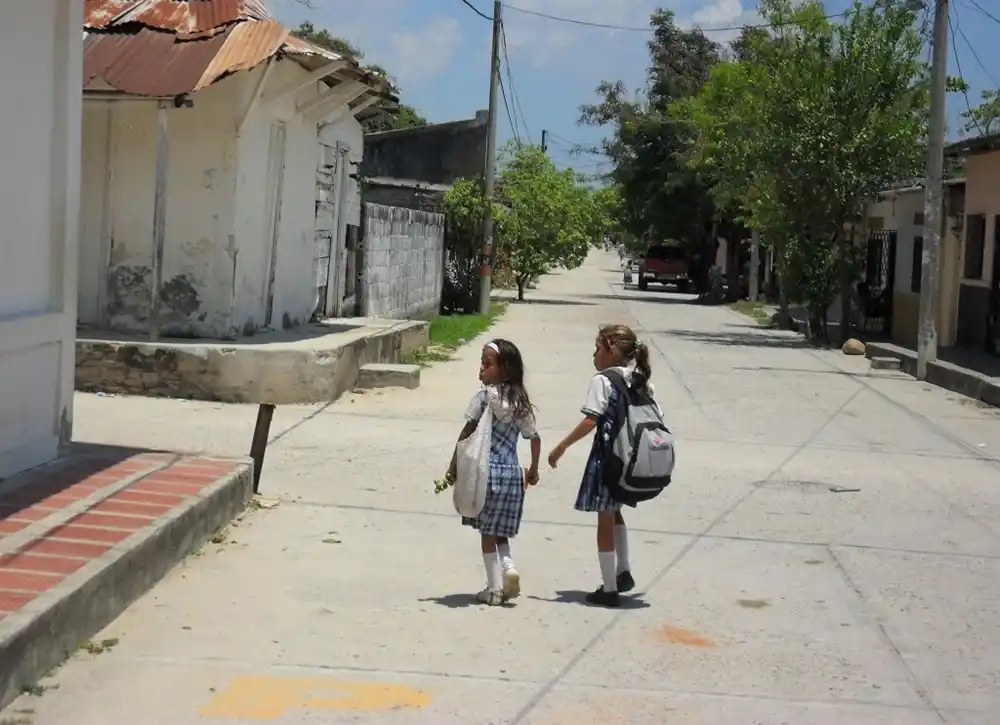
Schoolchildren in Aracataca streets, a glimpse of everyday life behind Macondo. ©Tim Buendía

Casa Museo in Aracataca, birthplace of Gabriel García Márquez and inspiration for Macondo. ©Tim Buendía

Statue of Gabriel García Márquez in Aracataca, honouring the creator of Macondo. ©Jdvillalobos
Landscapes in Colombia That Inspired Macondo: A Living Story
These landscapes weren’t just a backdrop — they built Macondo.
The Magdalena River cuts straight through the country — slow, heavy, carrying everything with it. People, trade, stories. You start to recognise pieces of Macondo here. Nature doesn’t sit quietly — it shapes everything.

Then the Sierra Nevada rises in the distance — massive, quiet, slightly intimidating. You notice it before you realise you’re looking. Their peaks stay hidden in mist most of the day. You don’t see everything — and that’s the point. It almost feels unreal at times. The mountains and river sit at the core of it all. Nothing decorative about it.
How Colombian Culture Shaped Magical Realism in Macondo
Magical realism doesn’t feel invented here — it feels like everyday life, just without filters. No exaggeration needed. It’s Colombian culture — just written down. Straight from the source. In Macondo, time loops, spirits linger and love refuses to end. Folklore and daily life blur together. Just like they do here.
Take the wandering gypsies who bring wonders to Macondo. They’re not far from the street performers and storytellers you still see today. Same mix of ordinary and strange.
He didn’t just write magical realism. He didn’t just write magical realism. He pulled it straight from life in Colombia — stories passed around, half-believed, half-true.
That’s why Macondo never feels fictional — it feels remembered. Like something already lived.
What Landscapes Inspired Gabriel García Márquez?
So where does Macondo actually come from? The answer sits in Colombia’s landscapes, shaping every corner of his fictional world.
From the dense jungles of the Magdalena River valley to the high-altitude peaks of the Sierra Nevada Mountains, these landscapes define it. Here, nature and culture collide. Reality and fantasy sit side by side. No clear line between them.

He often spoke about his inspiration in Colombia — especially in villages where myth and reality blur. These are the places that gave birth to Macondo. Nothing abstract about it.
Macondo and the Real History Behind One Hundred Years of Solitude
Macondo isn’t just enchanting — it hides darker truths. The arrival of the banana company in One Hundred Years of Solitude mirrors the devastating impact of the United Fruit Company on Colombia’s people. And that’s only half the story. The part people often skip. These scars — exploitation, forgotten workers — aren’t just history. They’re the threads he wove into his stories. Quietly, but deliberately.
By blending history and myth, he reminds us that even in the most fantastical worlds, the echoes of real-life struggles persist. That’s exactly why it hits harder than pure fiction ever could. No distance. It feels real because it is. No distance. No filter.

Why Macondo Still Resonates: Colombia’s Enduring Influence
Macondo isn’t just a literary invention — it’s alive in Colombia’s jungles, rivers and mountains. If you’re drawn to magical realism, this is your chance to see the world through his eyes — not polished, not exaggerated. Just as it is.
Colombia offers more than postcard-perfect scenery — it pulls you straight into the heart of Macondo. From the sleepy streets of Aracataca to Colombia’s dramatic landscapes that shaped Macondo, these real places still define it. They always did.
Once you’ve seen Colombia like this, Macondo stops feeling imaginary. It starts to feel familiar. Almost too familiar.
More — Colombia

You Might Like This
Loved this one? We picked a few more you might like.




Your voice!