
How the World Is Eating Right Now
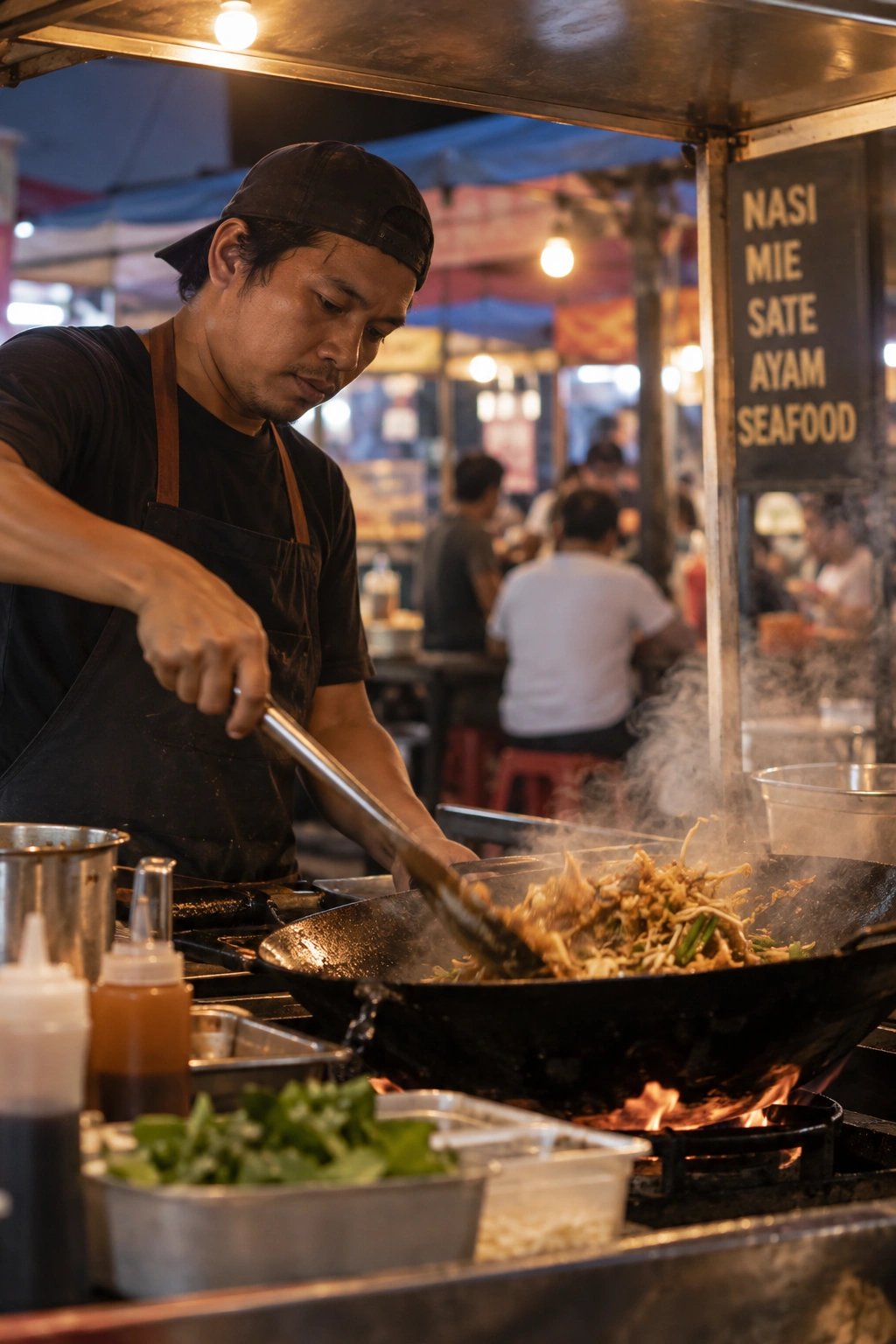
It’s late afternoon somewhere in the world. Oil snaps in a pan in Jakarta. A night stall in Bangkok wraps something hot without slowing down. In Naples, bread is torn open while it’s still steaming. Somewhere else, a sauce reduces quietly for hours. Different places. Same instinct.
Last year, food stopped behaving and started feeling alive again. This year, it will moves forward with confidence — not louder, just more certain of itself. This isn’t a trend list but it’s a reflection of how people eat right now, what they crave and what they keep coming back to.
At a glance
- Comfort food returns, crunch and sauces.
- Drinks calmer, roasted, less sugar.
- Plant-forward cooking, fewer labels, more flavour.
- Traditional techniques, bold travelling flavours.
When Comfort Food Took Control Again
Last year felt like a reset.
After seasons of overthinking and performance, people leaned back into food that made sense the moment it hit the table. Crispy. Warm. Salty. Filling. Food that doesn’t need a pitch.
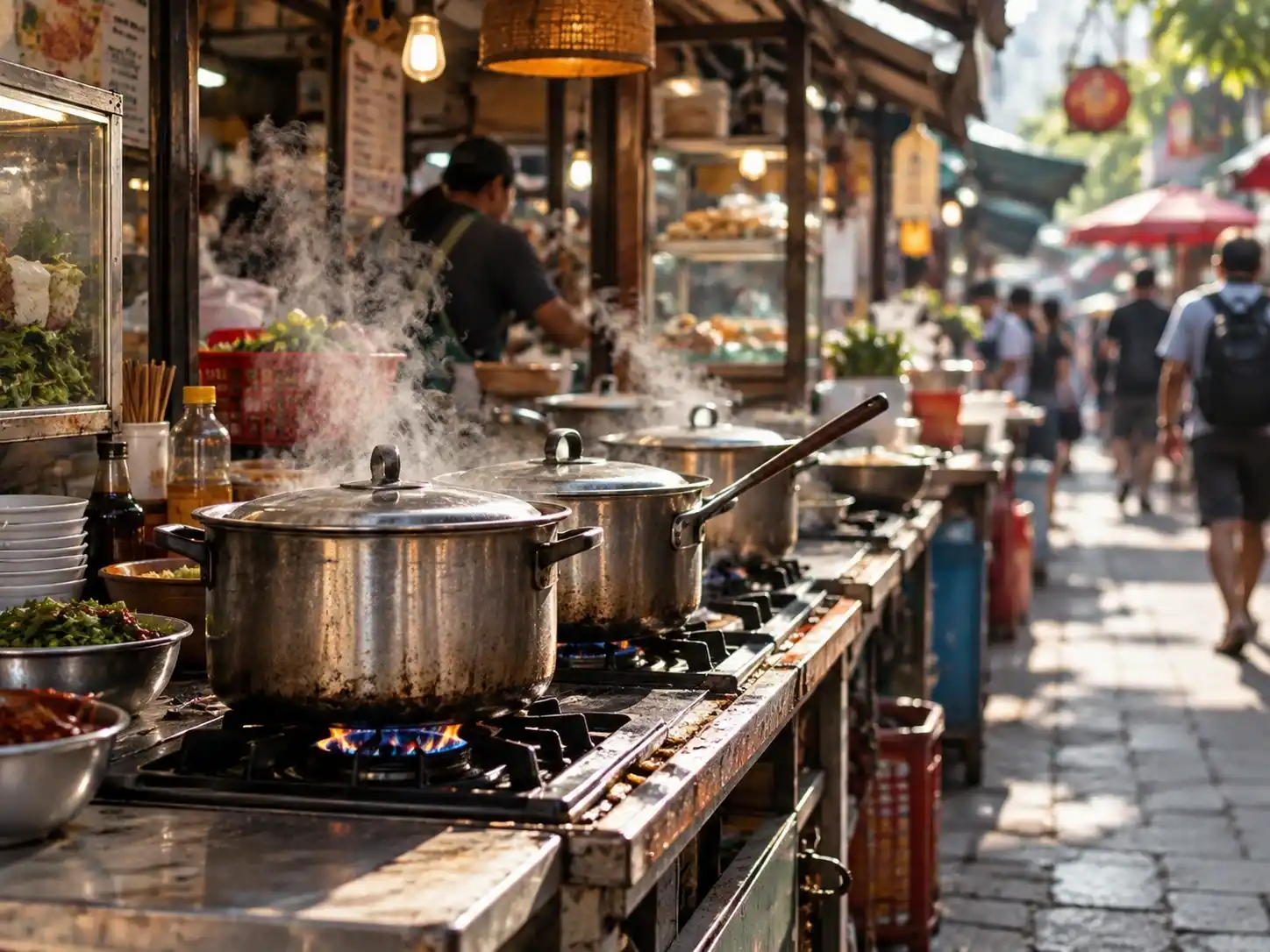
Frying oil bubbled from street corners in Yogyakarta to night kitchens in Seoul, and right through to late tables in New Orleans. Chicken, tofu, tempeh, seafood, fritters — different ingredients, same idea. Crunch matters.
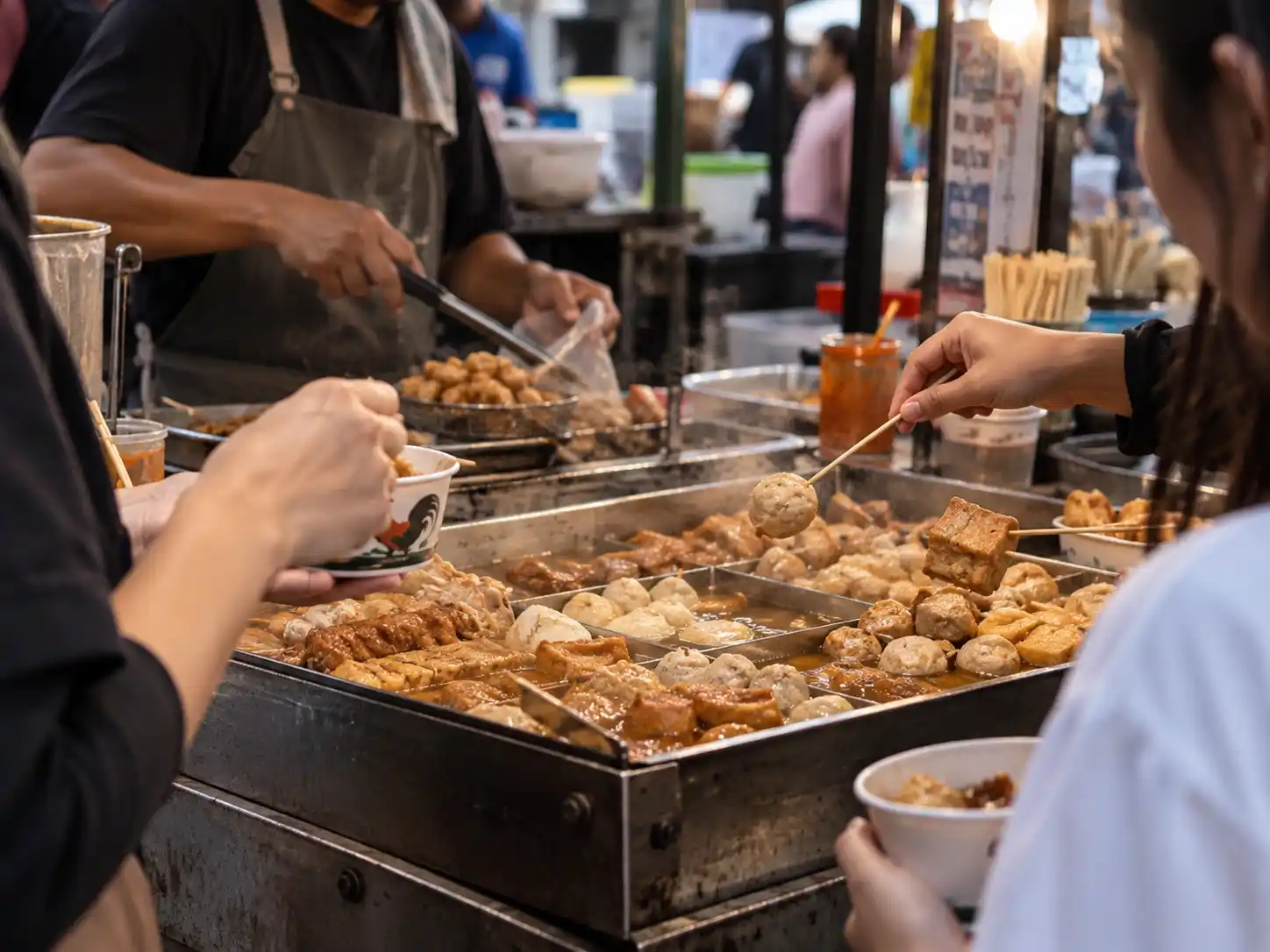
But crunch alone wasn’t enough.
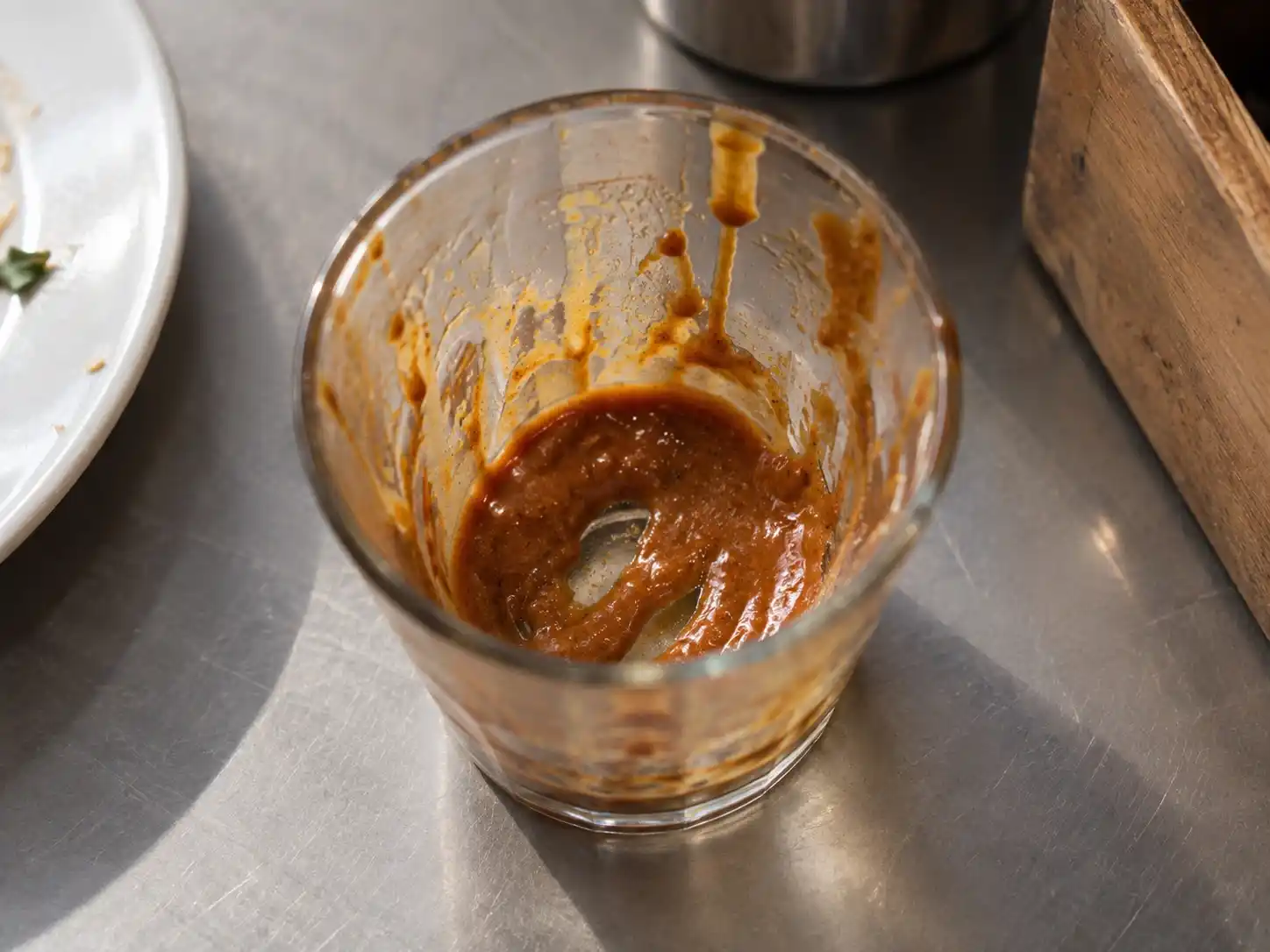
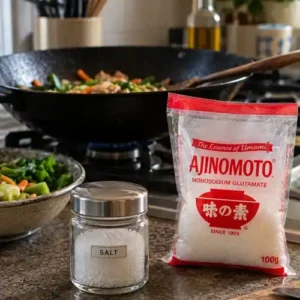
Sauces took over. Sweet chilli. Sticky glazes. Fermented heat. Umami-rich drips that soak rice, cling to fingers and slow you down, whether you planned to or not.
Then nostalgia stepped in quietly.
Sour notes returned. Salty bites. Pickled elements that wake up the mouth. In places as different as Lisbon and Paris, familiar flavours suddenly felt exciting again.
Food remembered its roots.
Drinks That Slowed the Pace
While food got bolder, drinks softened.
Café menus leaned into roasted, nutty, grounded flavours. Less sugar. Less rush. Drinks meant to be held, not chased.
In Melbourne, this shift felt natural — darker cups, calmer flavours, longer pauses. The same mood echoed elsewhere: warmth over stimulation, balance over buzz.
That quiet change sets the tone for this year, where depth matters more than novelty.
Plant-Forward, Without Making a Scene
Plant-based food didn’t need a spotlight. It already had a place.
Last year, vegetables stopped pretending to be something else. Grains kept their texture. Fermentation added backbone instead of branding. Cooking focused on satisfaction, not substitution.
From everyday kitchens to street food counters, this approach worked because it felt normal. This year continues in that direction — fewer labels, better flavour.
This Year Is About Depth
If last year brought back appetite, this year brings focus.
Dark, roasted, confident flavours.
Nutty, roasted flavours move through drinks and desserts. Flavours that linger instead of shout. Rich but controlled. Comforting without being heavy.
They show up quietly, do their job well and leave an impression.
Sweet and Heat, Properly Balanced
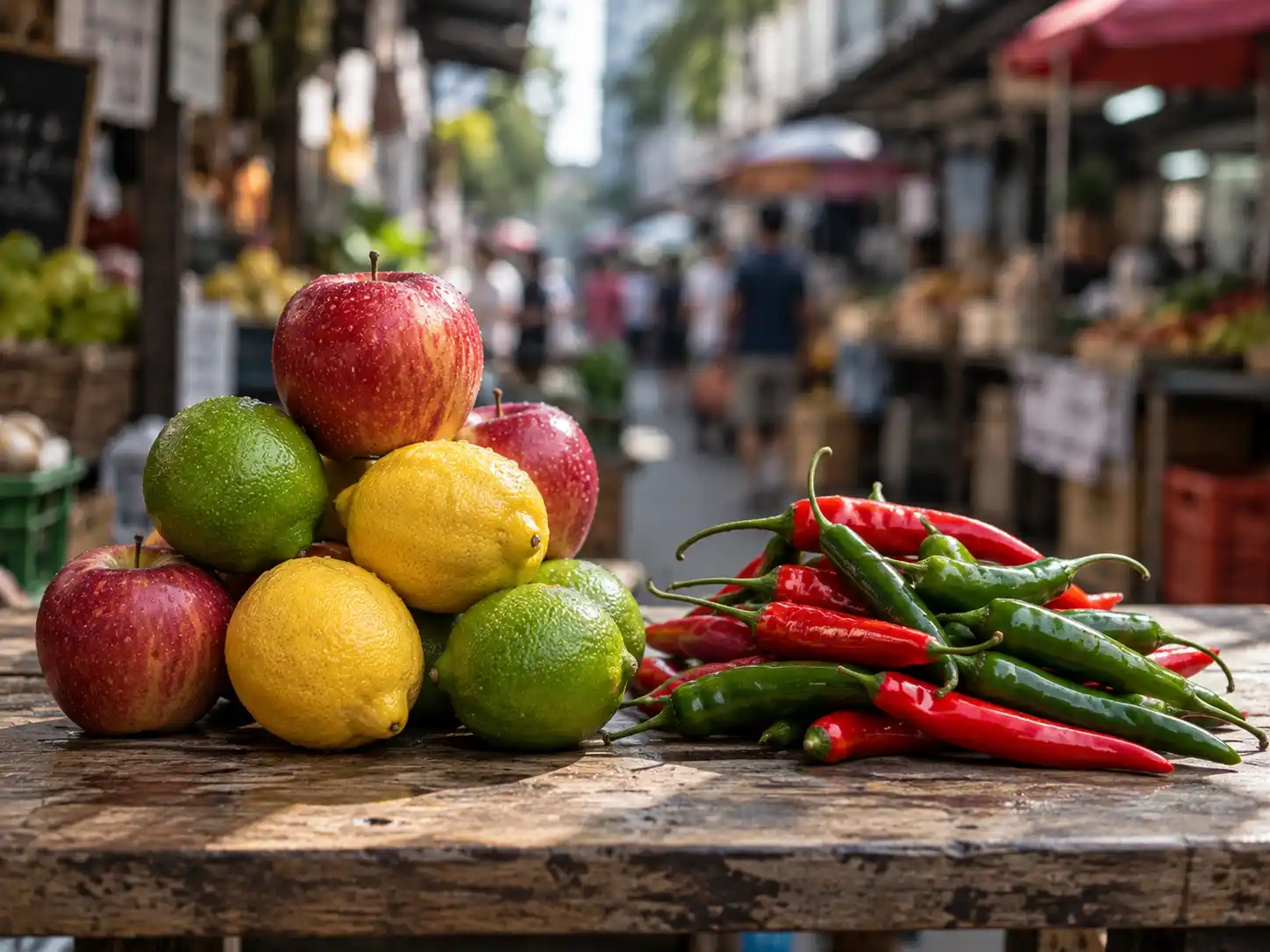
Sweet and spicy isn’t new. It’s trusted.
Fruit with chili. Sugar checked by fire. From plates in Austin to sauces made at home everywhere, this balance keeps food alive.
This year, it isn’t toned down, but it’s handled with confidence.
Eating for Satisfaction, Not Rules
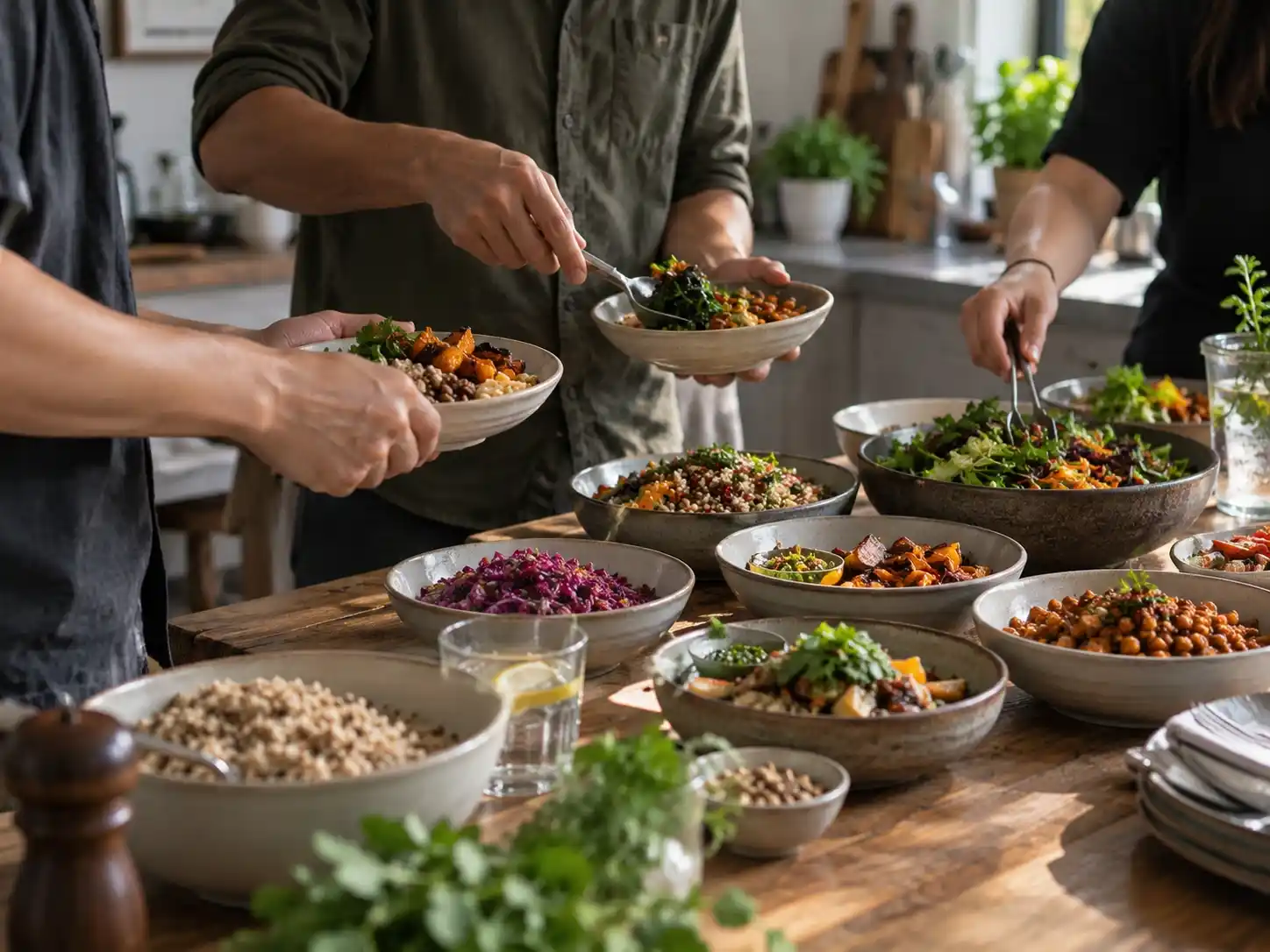
This year, people will choose food that holds them.
Meals with weight. Bread with chew. Bowls that don’t leave you hungry an hour later. Fermented elements that sharpen flavour instead of decorating it.
It’s less about control and more about how food feels after the last bite.
Old Techniques, Still Doing the Work
There’s also a quiet respect returning to traditional cooking.
Slow heat. Proper browning. Long simmers. Fats used because they work. From kitchens in Naples to homes everywhere, people cook the way they know tastes good.
Not retro. Just effective.
Flavours That Travel Without Losing Their Voice
This year, flavours will move — but they don’t flatten.
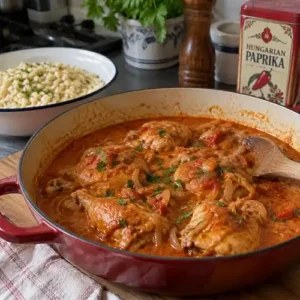
Spices stay bold. Pastes keep their edge. Sauces taste like where they come from, even when they appear somewhere new.
Food isn’t trying to blend in anymore. It stands comfortably as itself.
The Bigger Picture
Last year reminded us to trust our appetite. This year, we will trusting flavour.
Less explanation.
More instinct.
More depth.
More honesty.
Food isn’t trying to impress anymore but it’s doing what it’s always done best — bringing people together, one good bite at a time.
Hanan: text6 January 2026
You Might Like This
Loved this one? We picked a few more you might like.

Your voice!
Street stalls everywhere feel seen here. Crunch, sticky sauces, slow drinks, all real life. Reading this took me back to late nights by plastic tables, fingers messy, brain quiet.
That part about the frying oil in Yogyakarta is so real. Street food hits different when it has that perfect crunch and spicy sauce. Getting hungry just reading! 🤤
Reading this took me straight back to night markets. Crunch, sticky sauces, slow drinks after. Food that fills you up and lets you chill, not rush through meals.
Seeing that fried stuff really hit the spot. Nothing beats a crispy meal that feels like a warm hug after a long day. Definitely trying those spicy glazes at home! 😋
Wah, those Yogyakarta street food descriptions are spot on! Nothing beats hot gorengan with spicy sambal by the road side. Really captures how we eat here lah. 😋
Man, Yogya street snacks really hit home. Nothing beats that crispy and spicy sambal while wandering around the night markets 🔥