Nestled within the folds of these mountains, the Andean coffee trail offers a captivating journey through the verdant plantations that produce some of the world's most sought-after coffee beans. Awakening the senses: Bogotá's coffee renaissanceAs Colombia's vibrant capital, Bogotá sets the stage for the country's coffee narrative. The city's coffee culture has undergone a renaissance, with specialty coffee shops dotting its eclectic neighbourhoods. Here, locals and travellers alike gather to savour the nuanced flavours of Colombian coffee, each cup telling a story of the land from which it originates. Embarking on the Andean coffee trail: Salento and the Quindío RegionVenturing southwest from Bogotá, the Andean Coffee Trail unfolds with Salento as its picturesque gateway. Nestled in the heart of the Quindío region, Salento boasts rolling hills adorned with meticulously manicured coffee plantations. The intoxicating aroma of blooming coffee blossoms mingles with the mountain breeze, creating an atmosphere that transcends the ordinary. 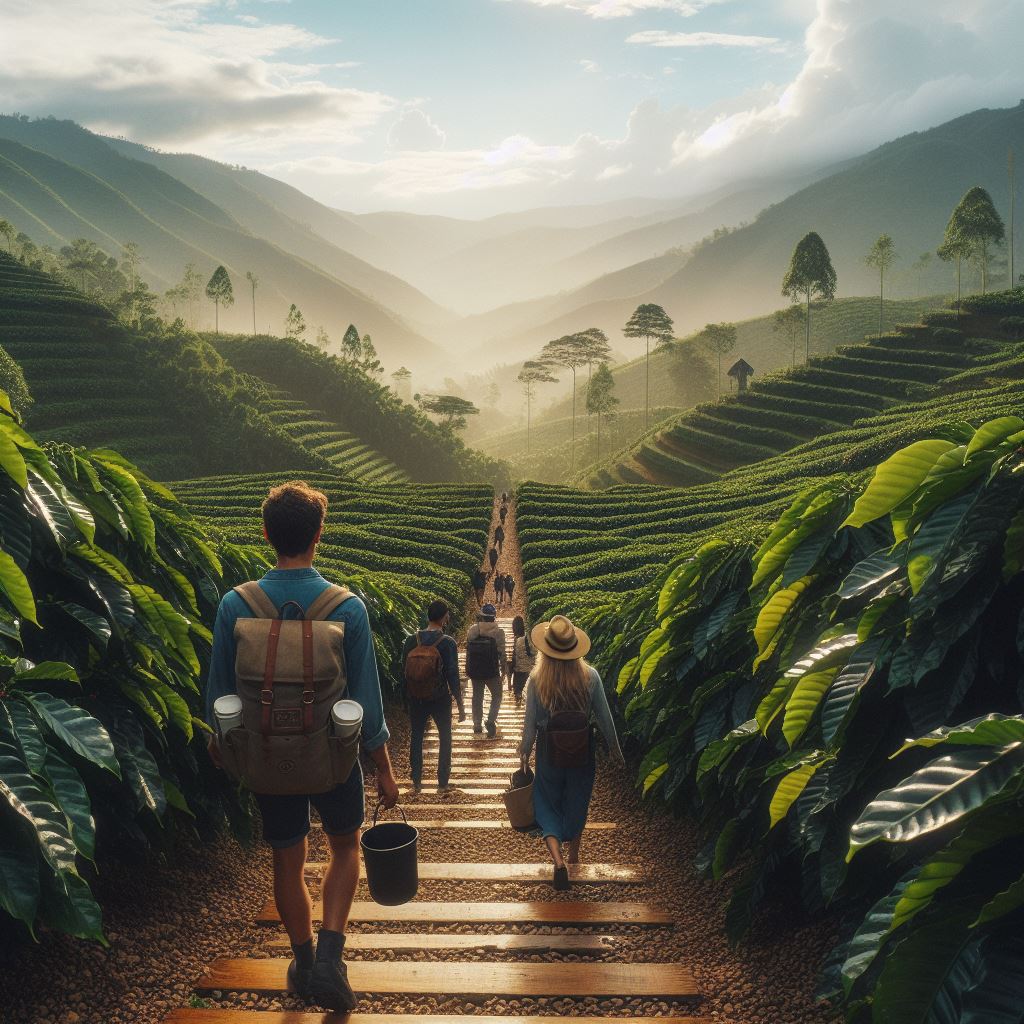 In the Quindío region, coffee farms, known as fincas, reveal the artistry behind Colombian coffee cultivation. Visitors can participate in guided tours, where the journey from seed to cup is demystified. Walking through the neat rows of coffee trees, guests witness firsthand the dedication and craftsmanship that contribute to the excellence of Colombian coffee. Savouring the flavour spectrum: Colombian coffee varietalsColombia's diverse microclimates contribute to the exceptional quality and flavour profile of its coffee. From the bold and chocolaty notes of beans grown in the lower elevations to the bright and fruity undertones found in higher altitudes, each region along the Andean Coffee Trail offers a unique expression of Colombian coffee. 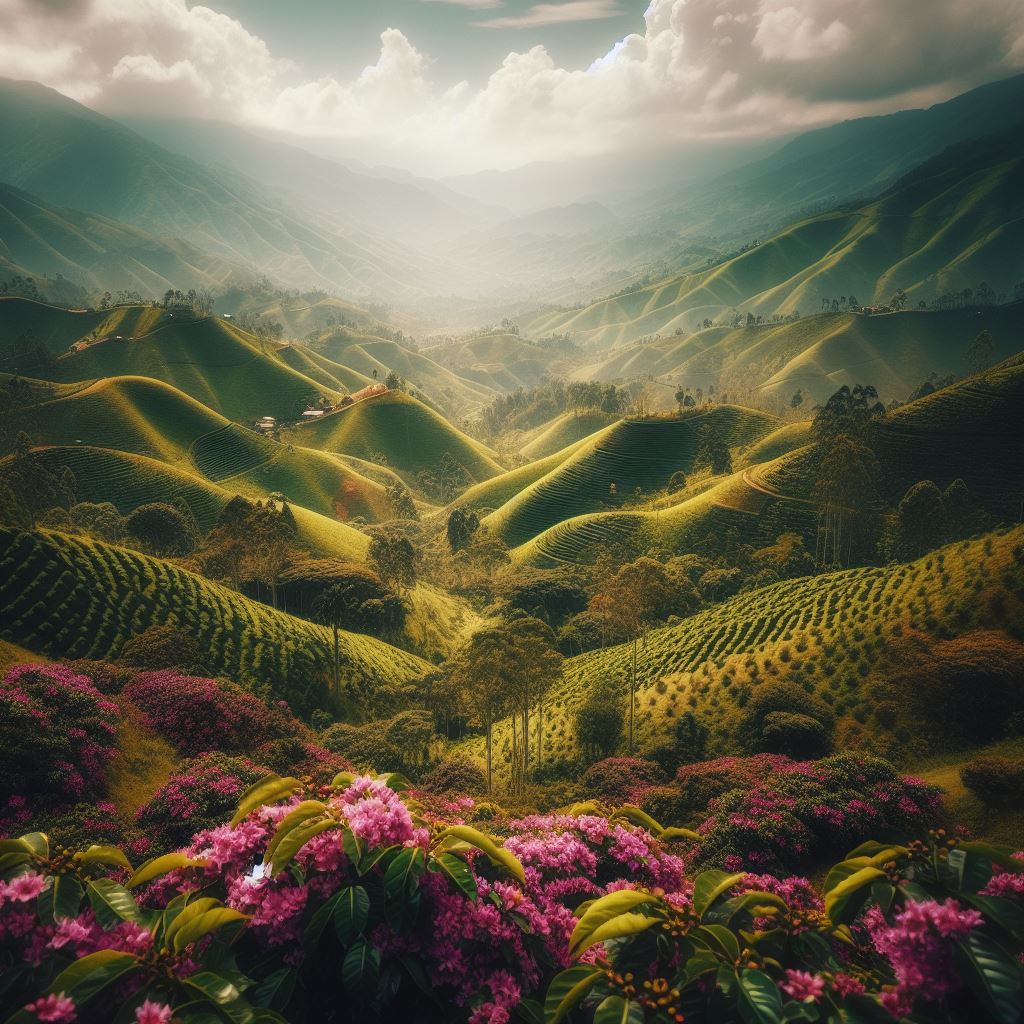 Visitors to coffee plantations can engage in tastings that showcase the distinct characteristics of various coffee varietals. Whether it's the citrusy brightness of beans from Huila or the caramel sweetness of those from Nariño, each cup becomes a sensourial journey through Colombia's diverse terroir. Harmony with nature: sustainable coffee practicesColombian coffee plantations are not just producers of a cherished beverage, they are guardians of the environment. Many farms along the Andean Coffee Trail adhere to sustainable and eco-friendly practices. The commitment to preserving the natural balance includes reforestation efforts, water conservation initiatives and ethical labour practices that uplift local communities. Connecting with coffee growers: guardians of traditionOne of the highlights of a journey along the Andean Coffee Trail is the opportunity to connect with the coffee growers, the unsung heroes behind every cup. These farmers, often the stewards of family-owned fincas, generously share their insights into the time-honoured traditions that have been passed down through generations. A symphony in every sipColombian coffee, with its aromatic symphony and diverse flavour profiles, transcends its status as a beverage. It becomes a cultural experience, an exploration of the land and a celebration of the people who cultivate it. As you traverse the Andean Coffee Trail, each sip becomes a melodic note in the grand composition of Colombia's rich coffee heritage, echoing through the mist-laden peaks and verdant valleys of the Andes. 
Hanan Scheers I travel the world to find unexpected stories. 19 February 2024
Comments are closed.
|

InSite Magazine is created by Just Hanan. We want to show you a world full of culture and lifestyle, and try to give you lots of international travel inspiration.
InSite Magazine Lifestyle Culture Travel Active Foodie Music Visuals Destinations Europe Asia Africa North America South America Oceania More+ home Our team |



|


|
We respect your privacy and will only reach out when we have something important and exiting to share! - Kami menghormati privasi anda dan hanya akan menghubungi anda jika kami punya sesuatu yang penting dan menarik untuk dibagikan!
|