
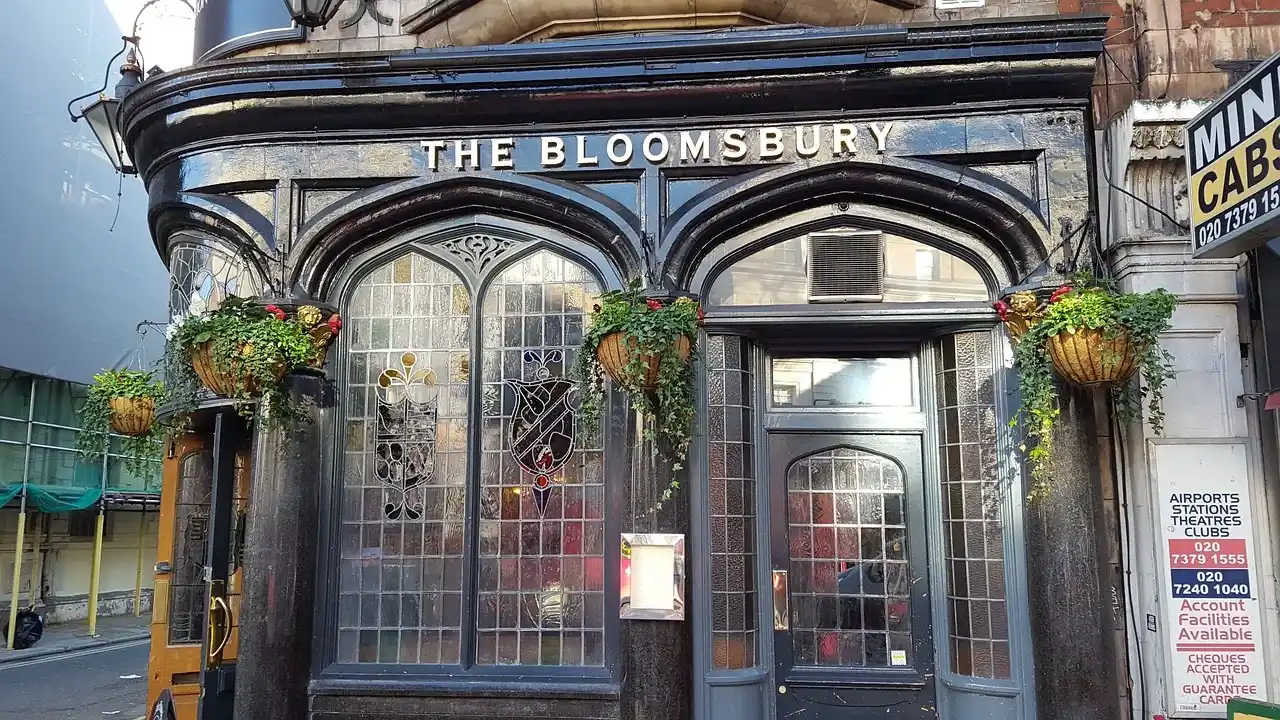
Virginia Woolf’s London: Bloomsbury in a Different Light
Bloomsbury doesn’t shout about itself. Which is probably why Virginia Woolf settled here, in these tucked-away squares that mind their own business. It’s still surprisingly easy to feel her presence here, not in any mystical sense, but in the plainness of the squares, the terraces, the particular quality of light on a grey afternoon.
Cold Rooms, Sharp Minds, No Curtains
Call it a scene if you like, but in the early 20th century Bloomsbury was mostly friends in cold rooms. Virginia Woolf among them. Clever, yes, and hopeless at picking curtains. They argued about art in draughty rooms, sometimes E.M. Forster and John Maynard Keynes turned up. Arguments got nasty. Cold tea in chipped cups, everyone shouting about Roger Fry’s new show like it actually mattered.
Virginia Woolf (1882–1941)
Virginia Woolf was a leading writer of the Bloomsbury Group, living and working in London’s Bloomsbury district. She is best known for novels like Mrs Dalloway (1925) and To the Lighthouse (1927), which explore everyday life, memory and the flow of time. Her work helped shape modern literature and remains closely tied to the creative scene that defined Bloomsbury.
The Bloomsbury Group’s influence is harder to map than myth suggests. Zadie Smith, who grew up across the city, has spoken of Woolf as a formal touchstone, though she would probably resist being enrolled in anyone’s legacy.
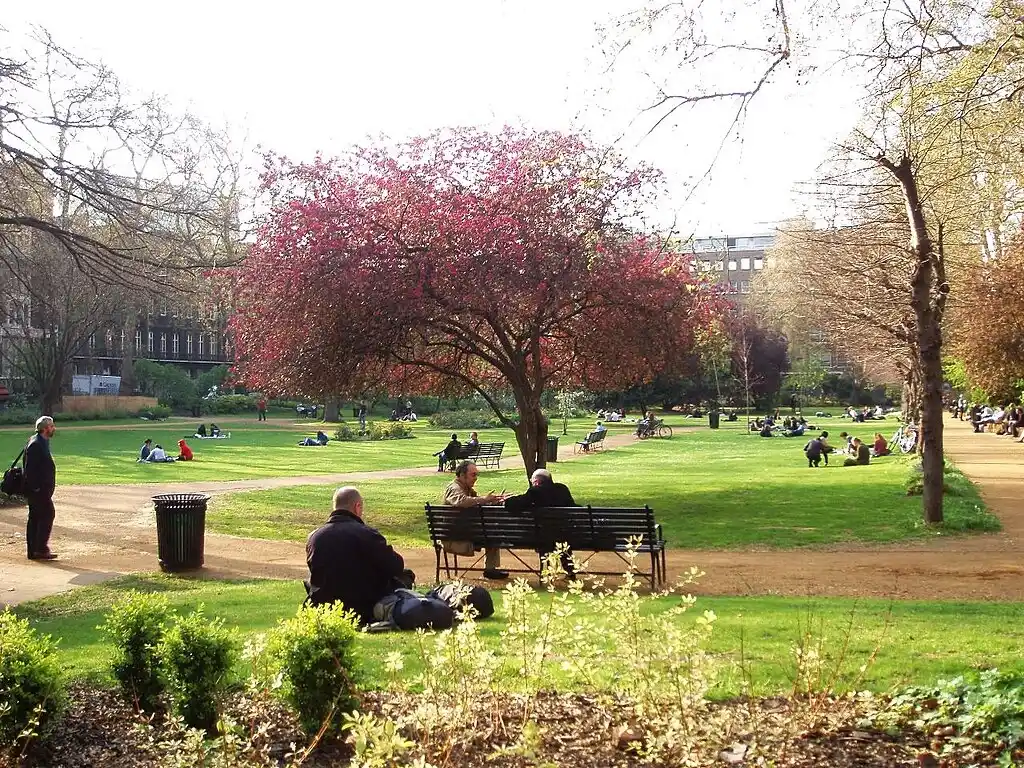
Gordon Square, Where It Quietly Started
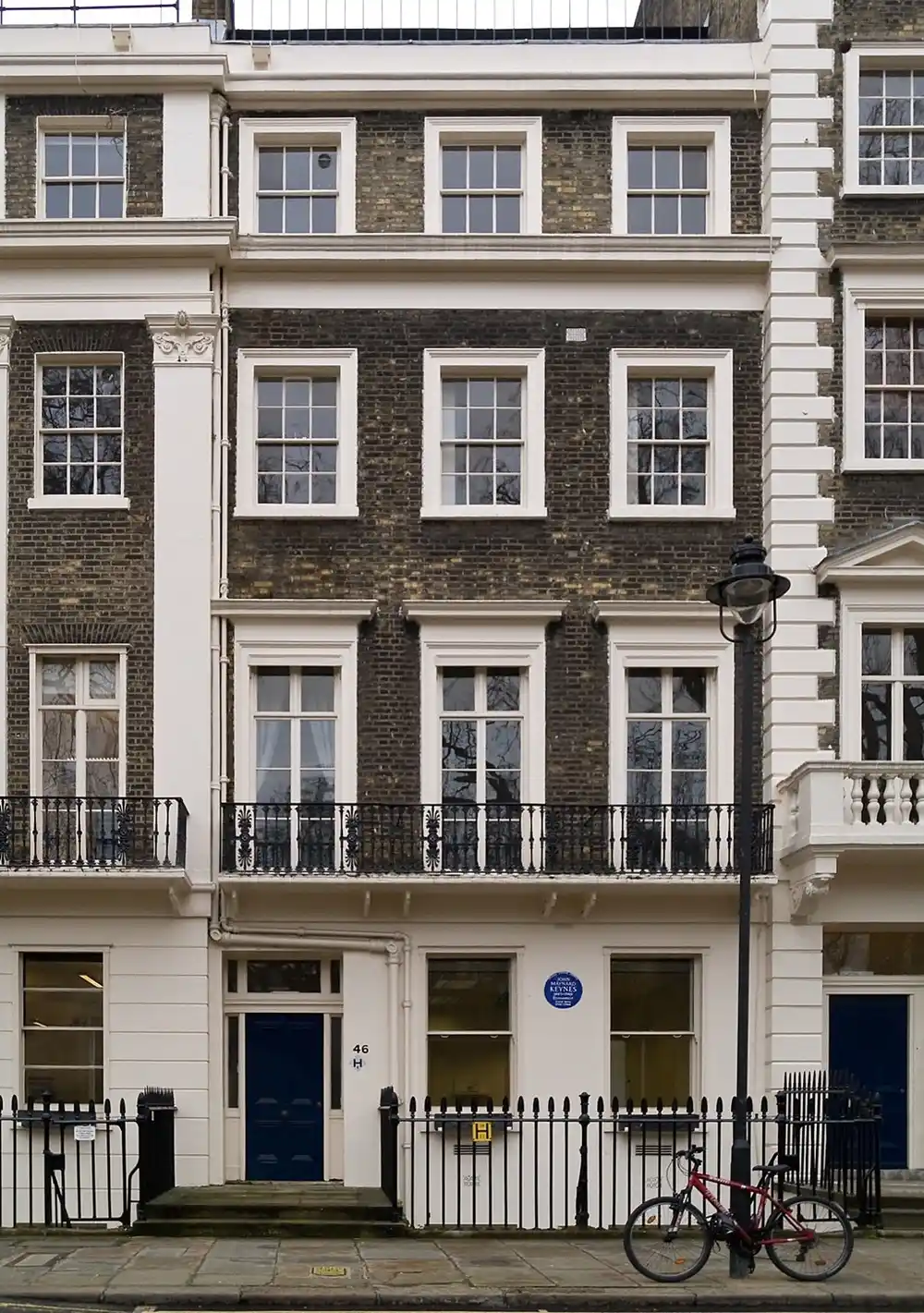
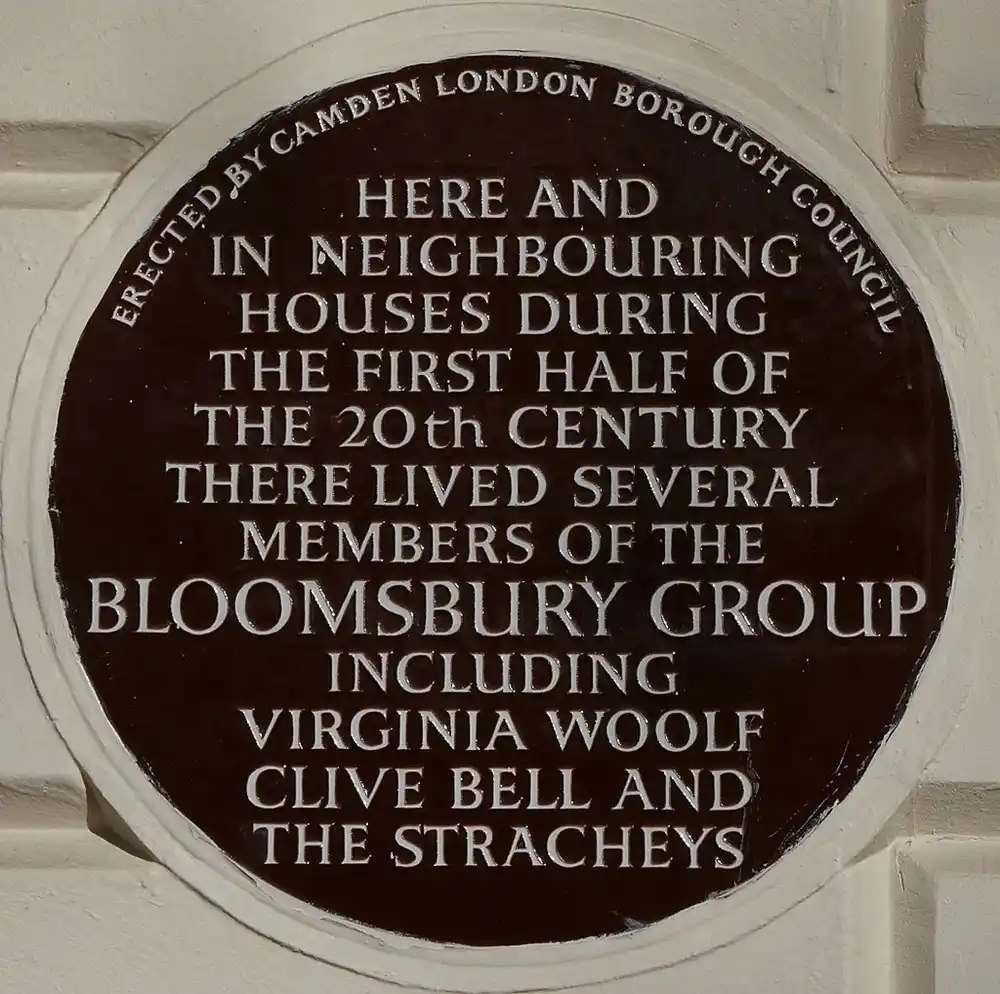
Gordon Square doesn’t demand attention, which is why it’s the perfect starting point. The Georgian terraces stand there, unassuming, as if they’ve forgotten they’re historic. (They haven’t.) At number 46, Virginia Woolf lived, mingling with intellectual giants such as John Maynard Keynes. Walk it slowly and you begin to sense who passed through here, even if you can’t quite pin it down. There’s still a quiet buzz here. Not loud, not obvious, but enough to make you think something’s always about to happen.
Russell Square, Grand and Slightly Faded
Head south-east from Gordon Square to Russell Square, a green, leafy haven surrounded by grand Georgian architecture. This was the Bloomsbury Group’s playground, where minds like Virginia Woolf’s and E.M. Forster’s ignited discussions on literature, philosophy and art.
Those conversations didn’t just shape Woolf. You can still feel their echo in how people write today. Writers like Ali Smith and Michael Cunningham still circle back to Bloomsbury’s way of seeing things, curious, restless, never quite finished. Russell Square feels past its best. Grand, a bit sad, like an old theatre between shows. That’s the charm.
Tavistock Square, Where Woolf Worked It Out
Then there’s Tavistock Square, number 52, to be precise, where Woolf wrestled with Mrs Dalloway and To the Lighthouse between cups of tea and existential dread. Today, the grand Tavistock Hotel stands as a striking reminder of the literary legacy that once filled this vibrant corner of Bloomsbury.
You will find the blue plaque on the wall, a quiet marker of the rooms where she wrestled with her writing. You’ll probably walk past the blue plaque without noticing. Pause there, though. This is where Mrs Dalloway unfolded, one ordinary day, one extraordinary novel. The kind of day you’re having, really, if you squint.
The British Museum, Not Quite a Refuge
A trip to Bloomsbury feels unfinished if you bypass the British Museum, which sits just a few minutes away on foot. Just a quick stroll from Tavistock Square, this cultural gem was a major inspiration for Woolf. She visited the British Museum often, though rarely with simple reverence. In A Room of One’s Own, she is sardonic about its reading room, about what it’s like to sit there as a woman, looking things up.
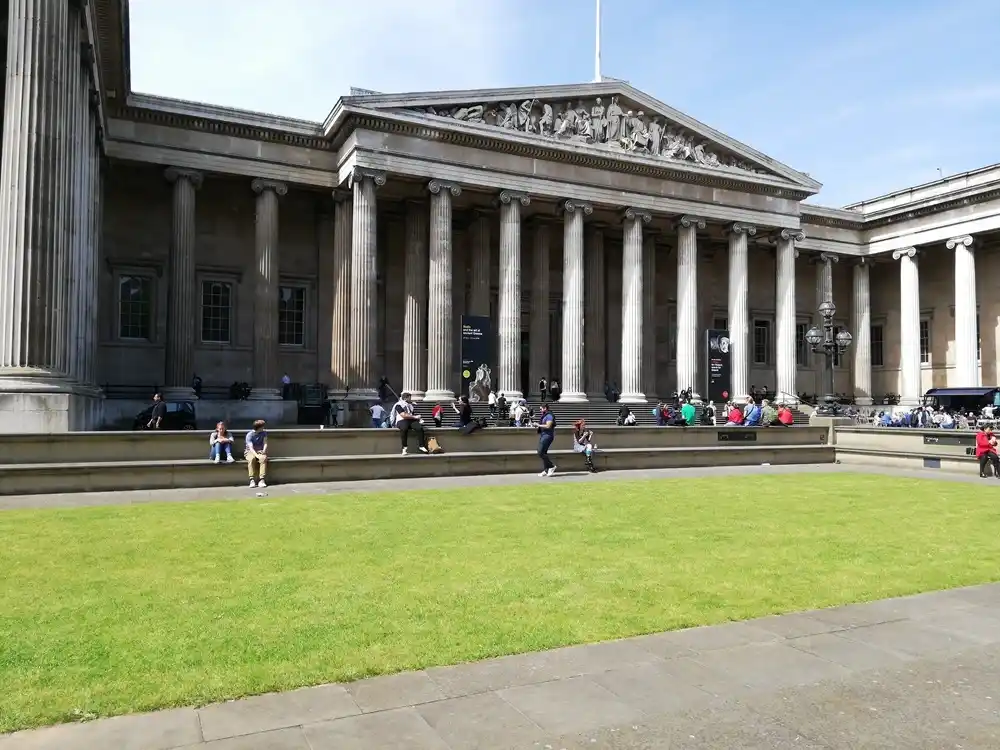
Walk through the halls and you can imagine how the objects here nudged Woolf into thinking about time and how people’s lives overlap. Go back today and it still sparks ideas, the kind that pull the past into something new without you quite noticing.
Bloomsbury Publishing, the Name Carried On
Next stop: Bloomsbury Publishing, a powerhouse of literary brilliance located on Bedford Square. Since 1986, it’s carried the name forward, not in the same way, but still with that itch to try something different.
Bedford Square houses the modern incarnation of the name: Bloomsbury Publishing. It’s a corporate descendant of that earlier energy, though one suspects Woolf would find the term ’storytelling boundaries’ rather suspect. Still, the books keep coming. Authors such as Neil Gaiman and Sarah Waters, who challenge conventional storytelling, echo the bold spirit of their Bloomsbury predecessors.
The Light, Still the Same
Bloomsbury has been tidied up since Woolf's time. The rents are different. The conversations, probably, too. But the squares are still there, and the light still falls in the same way at four in the afternoon, and that isn’t nothing.
Woolf’s London wasn’t scenery. You tripped over it, lived in it, argued in its draughty rooms. Spend some time here and you notice how Woolf’s world still threads its way through what people are writing now. It’s just a walk. But the light holds, doesn’t it?
Hanan: text, photo20 August 2024, updated 23 April 2026
You Might Like This
Loved this one? We picked a few more you might like.




Your voice!