

4 Comfort Foods: Culinary Wanderlust Across the Globe
Some days feel like they’re hanging in the air — unfinished, unsure. The world keeps moving, but inside, something slows. A half-packed bag, a message you’re not ready to read, the strange quiet that follows change. In these moments, everything feels in between. Not quite here, not quite there. But hunger lingers — gentle, grounding, asking for something steady when the heart feels anything but.
And often, that steadiness begins in the kitchen. A simple bowl. A dish made not just to feed, but to soothe. All over the world, people turn to these quiet meals — recipes full of care and memory. From bright broths in Southeast Asia to rich stews in Europe, each one carries a whisper of calm. A reminder that you’re not lost — you’re just in between. And that’s okay. Let the steam rise, and take a slow, healing bite.
Soto Ayam — Indonesia’s Hug in a Bowl
The rain was steady, soft but endless — tapping rooftops, sliding down windows, making the streets smell like wet asphalt and memory. A warung in Jakarta was already steaming, a small crowd huddled under the awning, bowls in hand. Inside, the air was thick with turmeric and lime. The cook worked fast, ladling out golden broth like it was something sacred. You didn’t need to speak. You just needed to breathe it in.
Soto ayam isn’t a dish for special occasions. It’s everyday comfort — found in street corners, morning markets or the quiet of your own kitchen. Some families pass down their own version, with little tweaks: a splash more lime, extra garlic, maybe a boiled egg on top. In Indonesia, it shows up most when the skies grow heavy and the air cools with the monsoon. It’s not fancy. It’s home.
The broth is warm and golden, thanks to turmeric. Soft chicken shreds float beside rice vermicelli noodles. A hard-boiled egg splits gently under your spoon. There’s a brightness too — fresh lime juice, crisp bean sprouts, a sprinkle of fried shallots. The steam wraps around your face like a hug. One whiff and you know: this isn’t just food. This is medicine for the spirit.
I once had soto ayam after a long day of goodbyes — bags packed, plane tickets printed, not sure where “home” even was anymore. The first spoonful didn’t fix anything. But it made me stop. It made me breathe. The warmth, the spice, the quiet strength of it. It told me: you’re still here. Still moving forward. And for now, that’s enough.
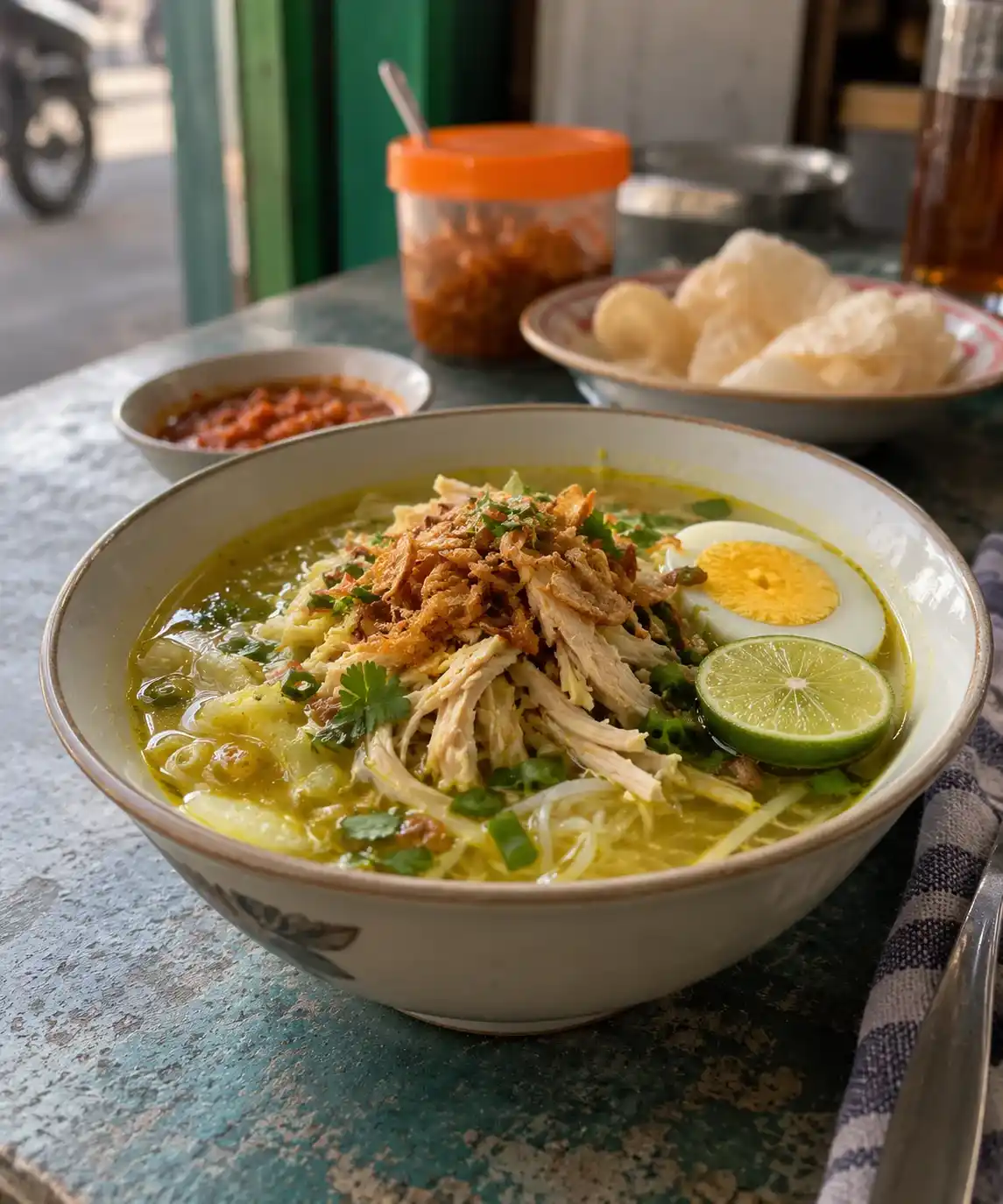
Simple Soto Ayam
A quiet spoonful for loud thoughts.
- Boil chicken thighs with smashed garlic, ginger, and salt until cooked.
- Shred the chicken, set aside.
- In a pan, sauté turmeric, shallots, and lemongrass until fragrant.
- Add to chicken broth and simmer.
- Cook rice vermicelli noodles separately, then rinse.
- Serve noodles and chicken in a bowl, pour broth on top. Add egg, lime, bean sprouts, fried shallots.
Waterzooi — Belgium’s Warm Whispers
It’s late afternoon in Ghent. The sky is soft grey and the streets feel slow, like the city is catching its breath. A small kitchen window glows gold. Inside, the smell of butter and herbs floats through the air. There’s a pot on the stove, gently bubbling. A spoon stirs without rush. Carrots, leeks, chunks of chicken — everything moves together like a calm wave. You don’t need much here. Just time, and a bit of care.
Waterzooi isn’t loud or famous. It doesn’t shout for attention. But in Belgium, it’s a quiet classic. Something you cook when you want to take it slow. Maybe it’s a Sunday, maybe someone’s coming home. Parents teach it to kids, with soft voices and wooden spoons. It’s one of those dishes that grows with you. Simple when you’re young, rich with meaning when you’re older.
The stew is creamy, but light. The broth feels like silk, touched with parsley and a hint of bay. Soft potatoes melt into every bite. The chicken, tender from a slow simmer, almost falls apart on your tongue. You taste the vegetables, but you also taste calm — like the kind that only comes after a deep breath. Each bowl feels round, full and quiet.
There was a time I had no idea where I was going. Everything around me changed — new rhythm, nothing steady. And then someone made me waterzooi. We ate it by a small table, with soft music in the background. It didn’t solve anything. But it slowed things down. Made space to just be. That moment stayed. Now, when life speeds up, I cook it again. Not to fix things — but to remember how stillness feels.
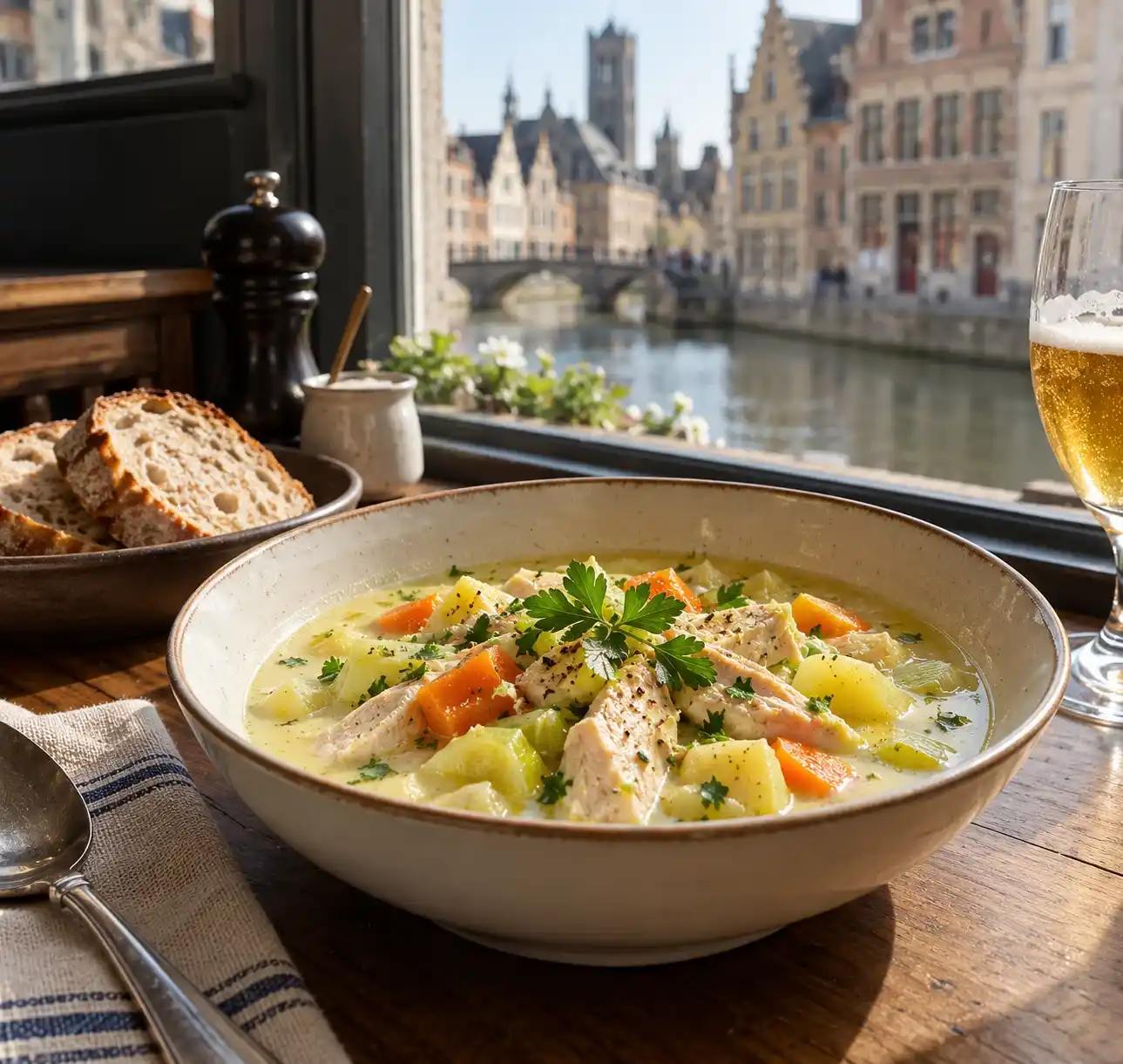
Simple Waterzooi
Best shared when the house is quiet and the day feels long.
- In a large pot, melt a bit of butter.
- Add chopped leeks, carrots, and celery. Cook until soft.
- Place chicken thighs in the pot. Pour in water or light stock.
- Add bay leaf, thyme, salt, and pepper. Let it simmer gently.
- Add potatoes and cook until tender.
- Stir in a splash of cream right before serving.
Fasolada — Greece’s Quiet Comfort
The sun is soft over a whitewashed village in Corfu, casting long shadows on stone walls. Somewhere behind blue shutters, a pot bubbles gently. You can hear the rustle of olive trees, the creak of a wooden chair on a tiled floor. It’s late afternoon and the air smells of thyme and tomatoes. This is when fasolada appears — a humble soup that feels like a gentle hand on your back.
In Greece, fasolada is more than just a meal — it’s a tradition, often called the country’s "national dish". It’s made at home, not in fancy restaurants. You’ll find it on kitchen tables in mountain towns and on islands alike, usually with a hunk of bread nearby. It’s cheap, filling and full of memories. Some say it tastes better the next day, after the flavours have had time to rest — like people do after long conversations.
You’ll smell the garlic first, then the soft sweetness of tomato and olive oil. The beans are creamy and gentle, floating in a thick, rustic broth. Celery adds a fresh bite, while herbs like oregano or bay bring depth. Every spoonful is slow and earthy, with a smooth texture and a heartiness that builds warmth from the inside. It’s food that doesn’t shout — it listens.
I once had fasolada in a quiet local taverna during a rainy spell in Corfu. The windows fogged up while the soup steamed on the stove. I remember feeling a little lost that week, unsure about a decision waiting back home. But the rhythm of chopping vegetables, the calm of stirring the pot, brought me back to myself. That bowl didn’t fix anything. But it reminded me that slowing down is okay.
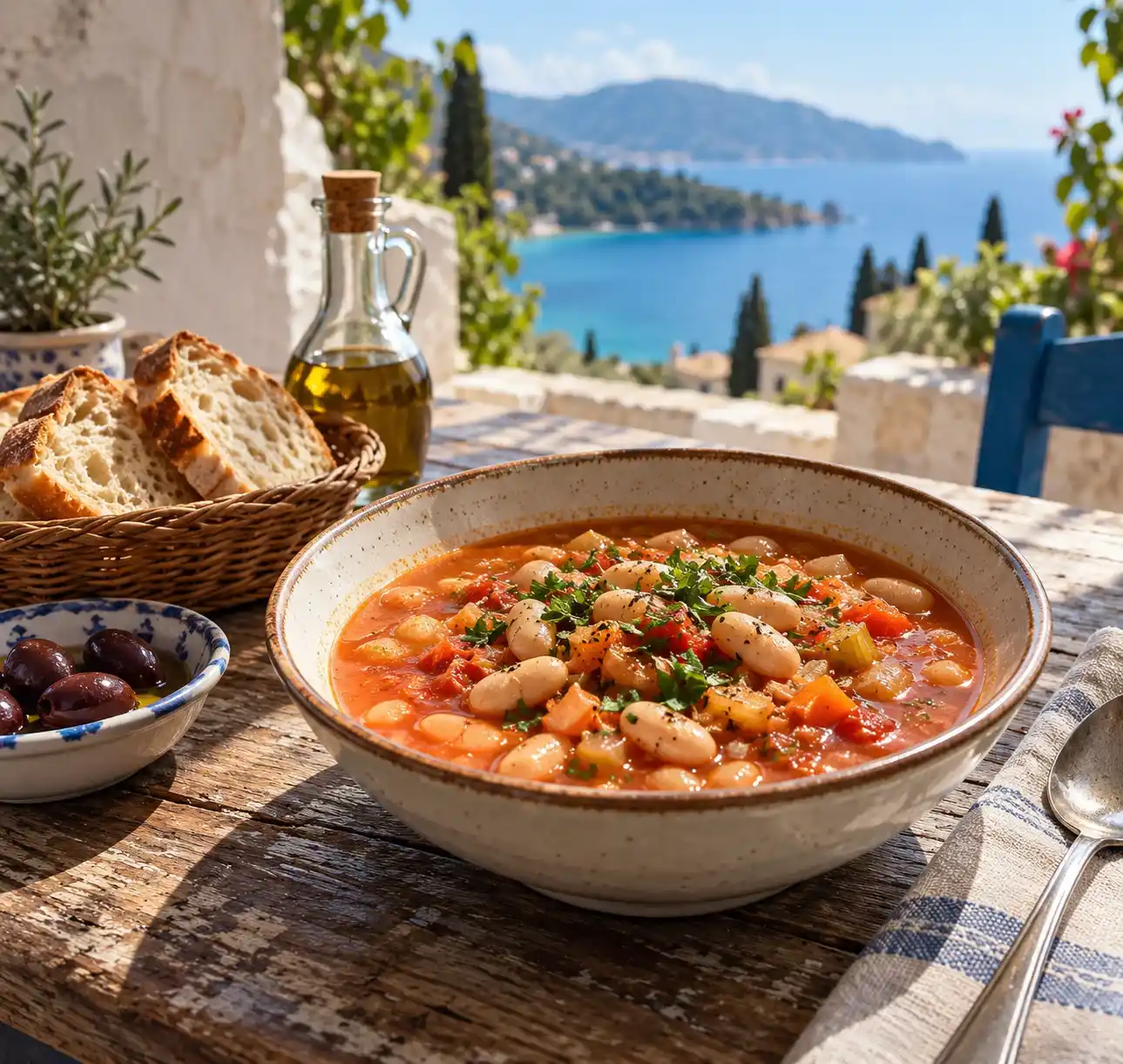
Simple Fasolada
Hold it close on days that ask for kindness.
- Soak dried white beans overnight (or use canned to save time).
- In a pot, heat olive oil. Add chopped onion, garlic, carrots and celery.
- Stir in tomato paste and cook until it smells sweet.
- Add beans and water. Season with salt, pepper and bay leaf.
- Simmer until everything is soft and thick.
- Drizzle with extra olive oil before serving. Add a slice of bread if you like.
Harira — Morocco’s Taste of Home
Evening settled slowly over Agadir. The call to prayer drifted through the narrow streets, mixing with the scent of cumin and simmering tomato. Windows glowed behind carved shutters. In one home, a pot of harira bubbled softly on the stove — lentils, chickpeas, vermicelli — all moving together in a slow dance. Someone stirred it gently, tasting, adjusting, waiting. Outside, the air was cooling, but inside, the warmth was already rising.
Harira is more than soup — it’s part of the heartbeat of Moroccan homes. In Agadir and beyond, it’s often simmering in the background, brought to the table with a kind of quiet pride. It’s not rushed. This is a dish for slow evenings, for stories shared across cushions, for moments that stretch without hurry. It fills more than stomachs — it feeds the soul.
The first spoonful is velvet: soft lentils, tender chickpeas and the gentle tang of tomato. The broth is spiced but not sharp — cinnamon, ginger, black pepper — layered, earthy, warm. Vermicelli noodles bring a delicate chew. A squeeze of lemon brightens it all, and fresh herbs — parsley or coriander — float like green confetti on top. It fills your mouth, then your chest. Not heavy, but grounding.
I remember having harira one evening in Agadir when everything felt up in the air — travel plans delayed, decisions unsettled. I sat in the fading light and ate slowly. With each bite, things softened: the noise in my head, the questions, the weight. It was just soup and yet it wasn’t. It was belonging — no matter where you came from or where you were going.
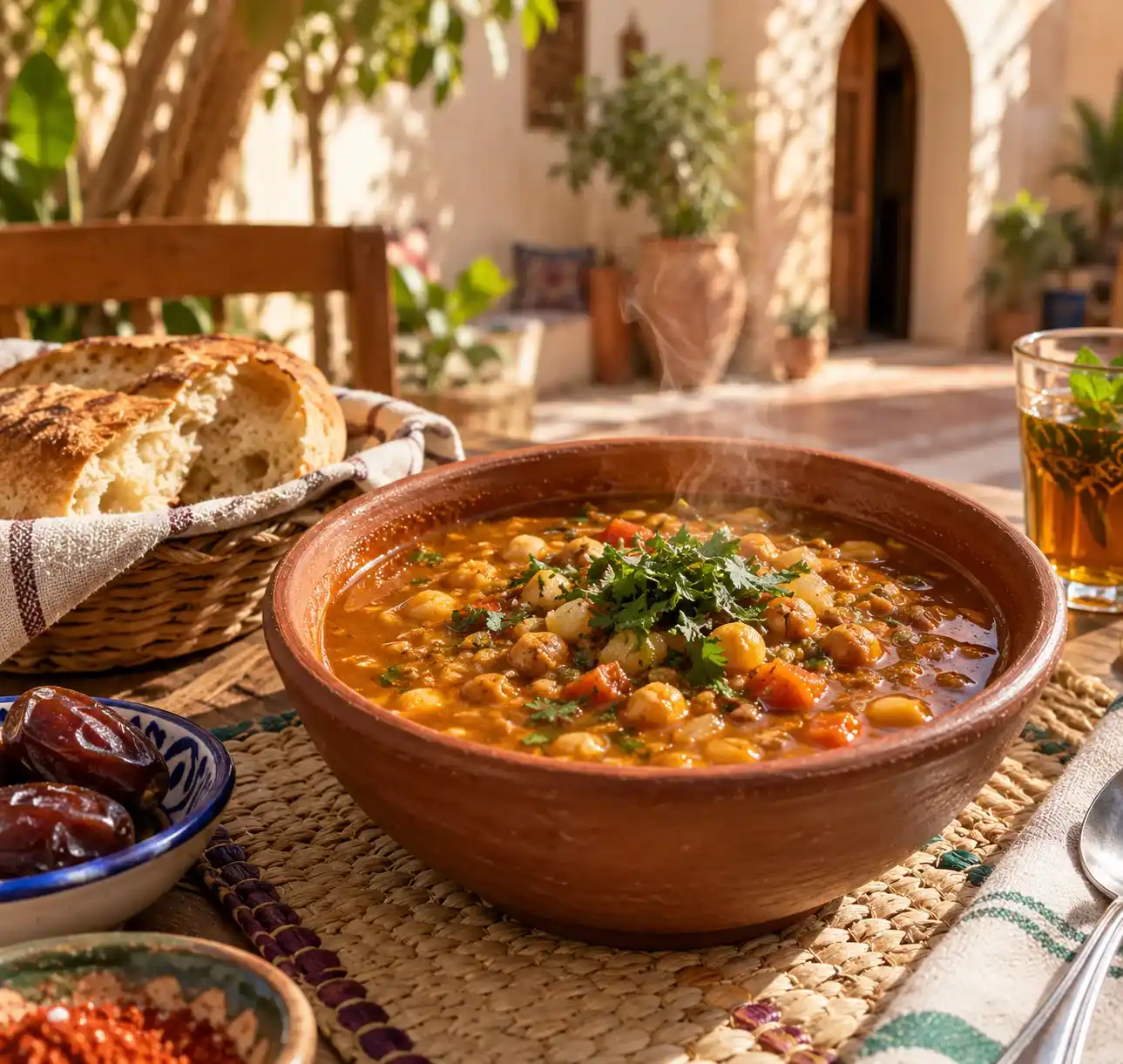
Simple Harira
For evenings that ask for something steady.
- In a large pot, sauté chopped onion, celery and garlic in olive oil.
- Add diced tomatoes, lentils, chickpeas and spices (ginger, cinnamon, black pepper).
- Pour in water or light stock. Let it simmer until everything softens.
- Add vermicelli noodles and stir gently.
- Finish with fresh coriander or parsley and a squeeze of lemon.
- Let the steam rise before you take the first spoonful.
Comfort Food from All Corners — Where Every Spoon Finds Home
Sometimes, comfort doesn’t come with answers — it comes in a bowl. Whether it’s the spice-laced steam rising in a Jakarta alley, the soft cream of a Ghent kitchen, the tang of tomato on a cloudy Corfu noon, or the earthy depth of lentils under an Agadir sun — these are quiet anchors. Food like this doesn’t shout. It whispers. It travels across seasons and centuries, across languages and borders, always saying the same thing: you’re safe now. In every spoonful, we find something tender and timeless — a reminder that even when the world feels uncertain, warmth can still be shared.

Simple Joys — One Bite at a Time
The beauty of comfort food lies not in the grandeur of a meal, but in the small, quiet moments it offers. It’s not about elaborate feasts or complex recipes — it’s about the simple joy of a bowl that carries you through the day, that brings you back to something familiar. Every spoonful is an invitation to remember, to slow down and to nurture yourself with the things that feel like home. Your own comfort food journey doesn’t need to be perfect or planned — it just needs to be felt.
Sometimes, peace is nothing more than the steam rising from a bowl on a quiet afternoon. In a world that moves fast and can feel overwhelming, it’s in these humble moments where we find stillness. So, let the world spin as it will and take a moment to feed your soul with something warm and real. What will your bowl say to you today?
Hanan: text12 September 2025
You Might Like This
Loved this one? We picked a few more you might like.



Your voice!