
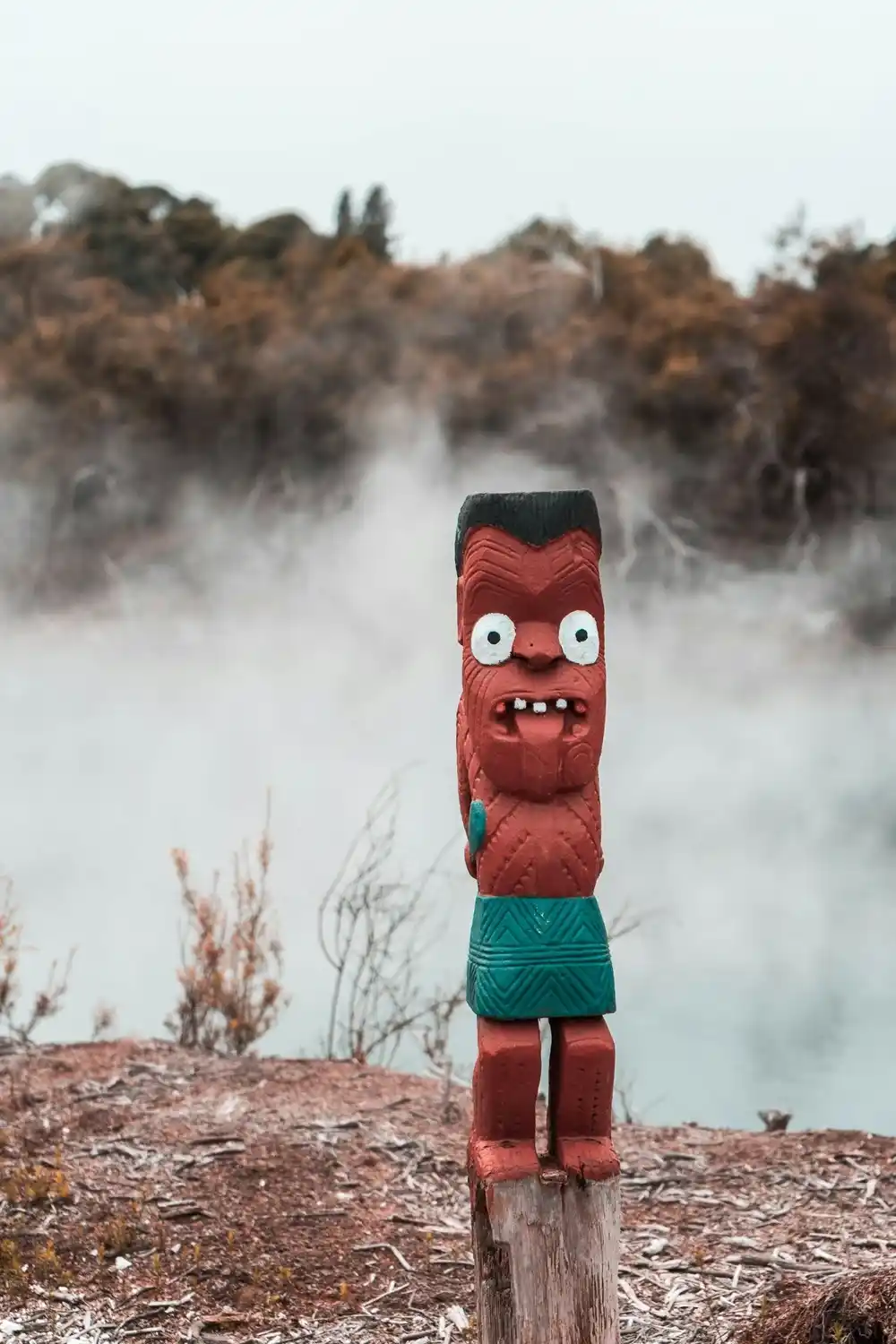
From Haka to Waiata: The Pulse of Māori Music in New Zealand
Māori music is deeply rooted in New Zealand’s cultural identity, from traditional chants and instruments to the haka and contemporary Māori artists.
Māori music pulses through New Zealand, its heartbeat echoing through the ages. From the haunting notes of ancient instruments to the unstoppable energy of the haka, these sounds breathe life into New Zealand’s history and spirit. Want to feel the pulse of New Zealand music culture? Keep reading to hear its beat.
At a glance
- Origins of Māori music traditions explained.
- Key forms haka and waiata rituals.
- Traditional instruments and their meanings.
- Modern Māori music and global influence.
What Is the History of Māori Music?
Māori music is deeply intertwined with the culture and history of the Māori people. This unique soundscape spans centuries, with ancient rhythms and melodies still influencing modern New Zealand music. The history of Māori music includes a rich tradition of chants, songs and instruments, all integrated into the culture of the land.
Ancient Instruments — Nature in Sound
Close your eyes and feel the power of traditional Māori instruments. The koauau, a small flute, whistles out eerie, birdlike melodies that send chills down your spine, while the pūtōrino, shaped like a cocoon, hums a symphony of nature. Crafted from wood and bone, these indigenous Māori instruments connect the listener to the land’s ancient pulse. When played, they stir stories of transformation and reverence for the environment, drawing you into a world where nature and music collide.
Haka — The Sound of Power
And then comes the haka — an explosion of energy and emotion. With each fierce gesture and booming chant, the haka roars with pride, strength and unity. Once a war dance, it’s now an anthem of Māori identity. Whether performed at a rugby match or a family gathering, the haka is more than a performance — it’s a declaration that commands respect and celebrates cultural pride. Haka music is a powerful expression of Māori identity that resonates deeply with both Māori and non- Māori alike.

Waiata — The Soul of the Māori People
Waiata — songs that stir the soul and echo across generations. These traditional Māori songs are the stories of a people, each note telling tales of joy, sorrow and honour for ancestors. Imagine standing in the midst of a waiata chorus, feeling the voices of the community wrap around you. Every waiata connects the present to the past, stirring emotions and offering a rare window into the collective heart of the Māori community. Traditional Māori songs like waiata hold the soul of the Maori culture and are passed down through generations.
Rituals and Chants — Connecting the Earth to the Divine
Enter the spiritual world of Māori rituals, where music cleanses, welcomes and connects. The whakawātea chant purifies the space, while the karanga, a call sung by women, welcomes visitors onto the marae, a Māori community meeting place. These traditional songs and calls bridge the physical and spiritual worlds, creating an immersive atmosphere where ceremony and emotion collide. These Māori chants are an essential part of their rituals, connecting the Māori people to their ancestors and the divine.
Māori Music Today — The Beat Goes On
Māori music isn’t trapped in history — it’s alive, growing and shaping global music scenes today. Artists blend ancient rhythms with modern genres, creating an electrifying fusion that resonates with young audiences worldwide. From reggae to soul, today’s Māori musicians honour their roots while pushing the boundaries of music. These ancient sounds don’t just inspire — they command you to listen. The influence of Māori music is spreading beyond New Zealand, influencing the global music scene with its unique and powerful rhythms.
Rob Ruha is a well-known Māori artist who combines traditional Māori elements with contemporary styles. He sings in the Māori language and his music reflects his deep connection to Māori culture. The song Taera is part of his album Hauora (2019), which features Māori language lyrics and traditional Māori influences. His work is celebrated for blending modern sounds with Māori heritage, keeping the culture alive and relevant to contemporary audiences.
A Living Legacy — The Influence of Māori Music on New Zealand Culture
The true power of Māori music lies in its living, breathing legacy — alive and well in the hands of young artists and cultural educators. Schools, community groups and cultural centres work tirelessly to pass on traditional chants, songs and dances, ensuring that the music of the Māori people thrives. How Māori music influences New Zealand culture can be seen in the blending of traditional elements with modern sounds, making it an integral part of New Zealand’s national identity. It’s a living tradition that grows stronger with every generation, ensuring its echoes reach across the globe.
From the hills of the North Island to the rugged coastlines of the South, Māori music is New Zealand’s pulse. It’s a reflection of resilience, pride and the unbreakable bond between the land and its people. Ready to feel the soul of New Zealand? The music will take you there.
Hanan: text6 January 2025, updated 10 October 2026
You Might Like This
Loved this one? We picked a few more you might like.


Your voice!