
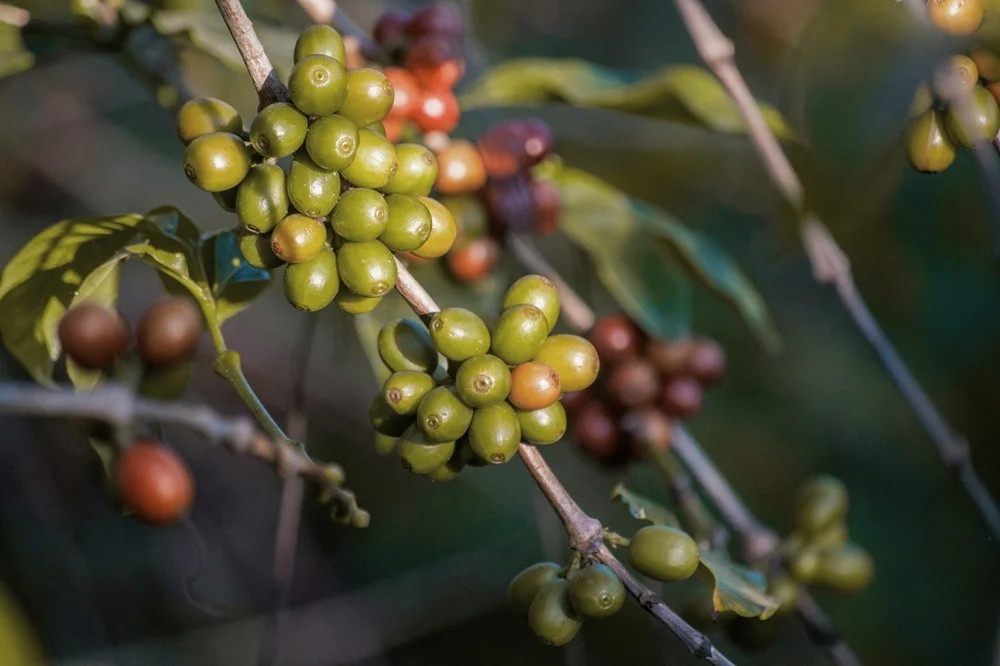
Brazilian Coffee: From São Paulo to Minas Gerais
Brazil’s coffee story runs from the energy of São Paulo to the rolling plantations of Minas Gerais, where centuries of cultivation still shape the country’s coffee culture.
Brazilian coffee begins with much more than the beans in a cup. From São Paulo’s busy cafés to the green hills of Minas Gerais, coffee is woven into the country’s history, landscape and everyday life. Each region brings its own character to the story, shaped by generations of cultivation, changing coffee culture and a deep connection between people and the land.
São Paulo — Where Brazil’s Coffee Story Took Shape
São Paulo isn’t just Brazil’s economic powerhouse. It was also at the centre of the country’s coffee boom. During the 1800s, the Vale do Paraíba became one of Brazil’s most important coffee-growing areas, helping fuel an industry that would transform the region and connect Brazilian coffee with markets around the world. The boom brought wealth, influence and major changes to São Paulo, while coffee became firmly rooted in the city’s culture.
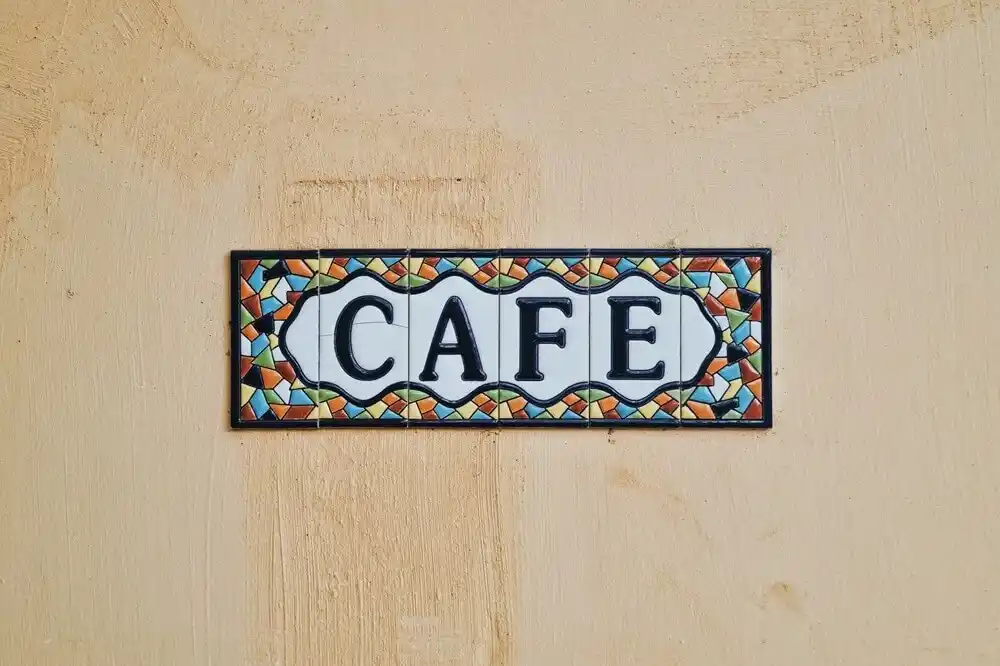
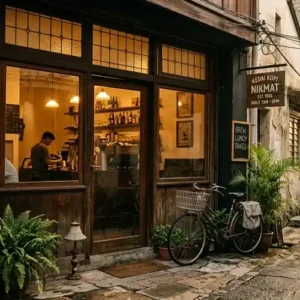
São Paulo’s café culture brings Brazil’s long coffee tradition into everyday city life. ©Brunno Tozzo

From classic brews to modern coffee creations, São Paulo’s cafés keep Brazil’s coffee culture moving forward. ©Helena Lopes
Modern Coffee Culture in São Paulo
Today, São Paulo’s coffee scene brings together long-standing traditions and a new generation of cafés. You’ll find everything from familiar Brazilian brews to carefully prepared specialty coffees and modern espresso creations. Brazil’s growing specialty coffee scene has also produced baristas competing at the highest international level, showing how the country’s coffee culture extends beyond growing and roasting the bean. The result is a coffee culture that reflects the city itself, mixing established habits with new ideas and flavours.

From Historic Estates to the Countryside
Beyond the city centre, places such as Campinas and Itu reveal another side of São Paulo’s coffee heritage. Historic estates that once belonged to wealthy coffee producers now offer a glimpse into the region’s past. Their buildings, grounds and surrounding landscapes tell the story of an industry built through cultivation, trade and generations of agricultural work.
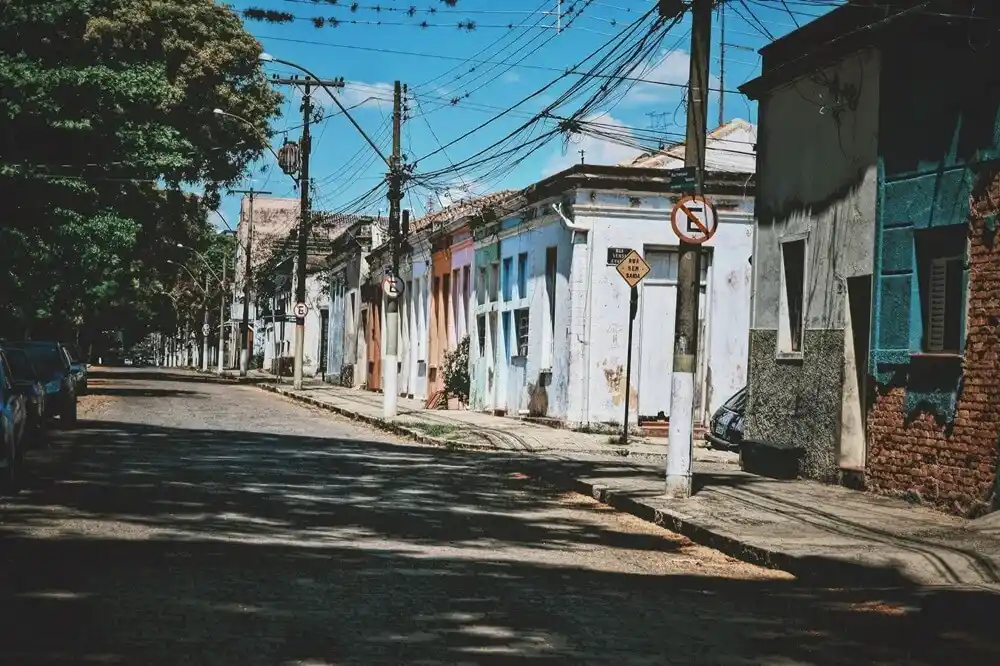
Campinas carries traces of São Paulo’s coffee past, with historic streets shaped during the region’s coffee boom. ©Feliphe Schiarolli
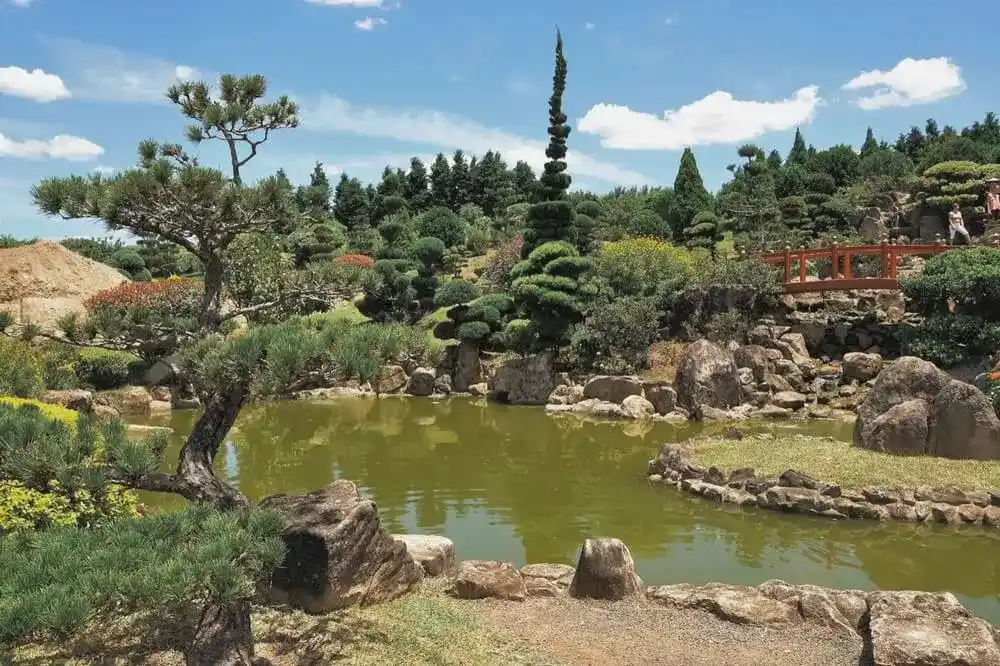
In Itu, historic landscapes add another layer to the countryside heritage surrounding São Paulo’s old coffee regions. ©Gecon Condominios
Minas Gerais — The Heart of Brazilian Coffee
Further inland, Minas Gerais offers a very different coffee landscape. Its altitude, climate and fertile soils provide excellent conditions for growing Arabica, with areas such as Sul de Minas and Cerrado Mineiro producing beans known well beyond Brazil. The region’s varied microclimates also give its coffees distinctive characteristics, helping make Minas Gerais one of the country’s most important coffee-producing regions.
The Craft Behind Minas Gerais Coffee
A visit to a coffee plantation in Minas Gerais brings you closer to the work behind every cup. Young coffee plants need years of care before they produce a harvest, while ripe cherries are carefully picked during the harvest season, generally from May to August. Coffee blossoms add a sweet scent to the plantations, while the rhythm of harvesting connects everyday agricultural work with traditions passed down through generations.
Staying Among the Coffee Plantations
Some parts of Minas Gerais offer the chance to stay close to the plantations themselves. Rural guesthouses, historic properties and countryside lodges provide a slower setting surrounded by coffee-growing landscapes. Fresh coffee can come directly from nearby farms, while local meals often reflect the flavours and traditions of Minas Gerais, showing how deeply coffee is connected to the region’s food culture.
Historic Towns Shaped by Minas Gerais
Coffee is only one part of the story in Minas Gerais. Towns such as Ouro Preto and Tiradentes reveal a rich architectural and cultural heritage, with cobbled streets, colourful buildings and baroque churches spread across the hills. Brazil has plenty more to offer beyond its coffee regions, from varied landscapes and historic cities to distinctive local cultures. Beyond the better-known towns, smaller communities and rural areas offer a closer look at the people, traditions and agricultural life that continue to shape the region.
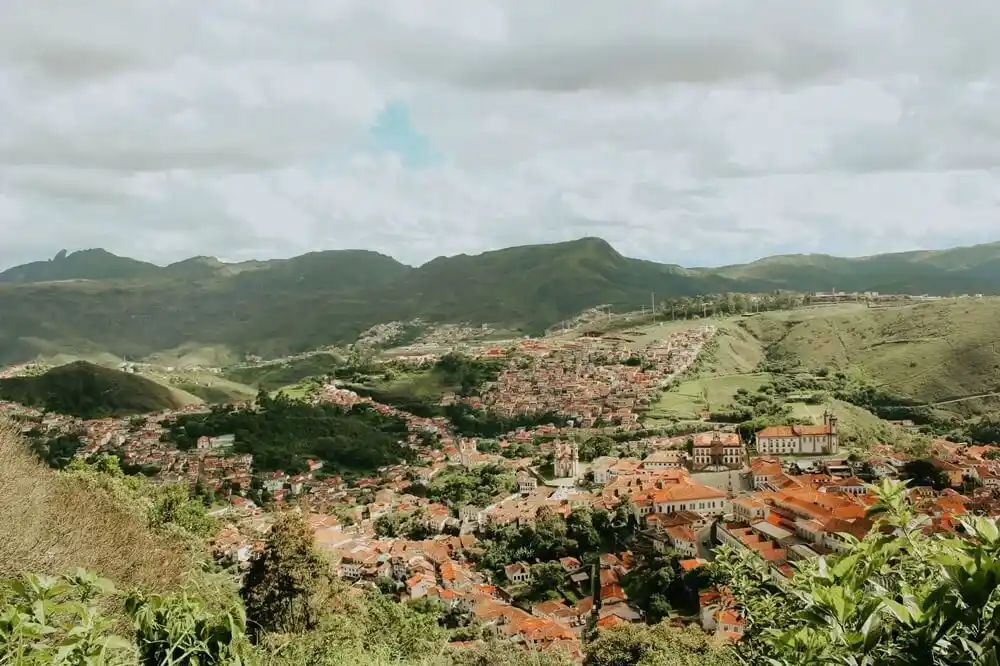
Ouro Preto brings Minas Gerais’ history to life through its hills, red-tiled rooftops and distinctive colonial architecture. ©Studio Michael França
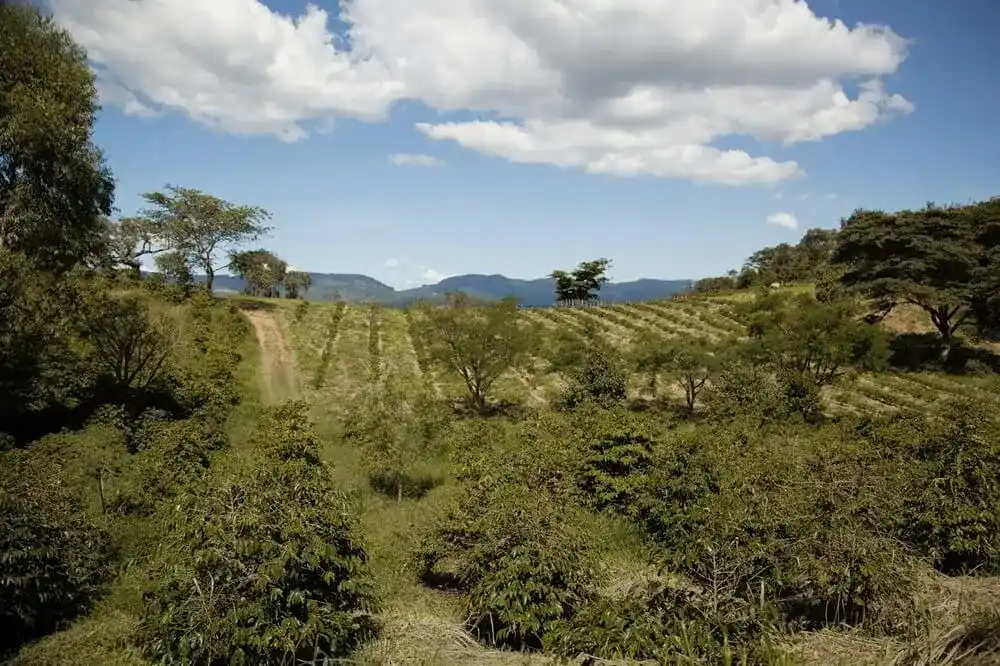
Across Brazil’s coffee country, rows of coffee plants stretch through the hills where generations of growers have shaped the harvest. ©Projeto Café Gato-Mourisco
What Makes São Paulo and Minas Gerais Coffee Distinctive?
Coffee from São Paulo and Minas Gerais reflects the combination of climate, soil, altitude and generations of cultivation that define each region. Their identities have also been shaped by geography and history, creating noticeable differences in the character of their coffees. São Paulo is associated with a broad range of growing regions and a long-established coffee industry, while Minas Gerais is particularly known for smooth, complex Arabica coffees shaped by its varied mountain landscapes and microclimates.
The Brazilian Coffee Journey
From São Paulo’s lively cafés to the quiet plantations of Minas Gerais, Brazilian coffee offers a journey through cities, countryside and centuries of agricultural tradition. The contrast between urban coffee culture and rural production reveals how much lies behind a simple cup. Every bean carries part of that story, connecting Brazil’s landscapes, growers and coffee drinkers through a tradition that continues to evolve.
Hanan: text10 January 2025, updated 6 October 2026
More — Brazil


You Might Like This
Loved this one? We picked a few more you might like.


Your voice!
This blog on Brazilian coffee inspires me so much. Visiting São Paulo cafés and Minas Gerais plantations would be an amazing journey, full of flavours and culture I’d totally enjoy. 🌟
Exploring Brazil through its coffee is so inspiring. São Paulo’s buzzing cafes and Minas Gerais’ peaceful plantations show how coffee connects culture, history and flavour. I can almost imagine walking those cobblestone streets, learning about coffee’s roots and tasting its incredible richness. Definitely adding this to my travel plans.
Exploring Minas Gerais would be an unforgettable journey I think.