
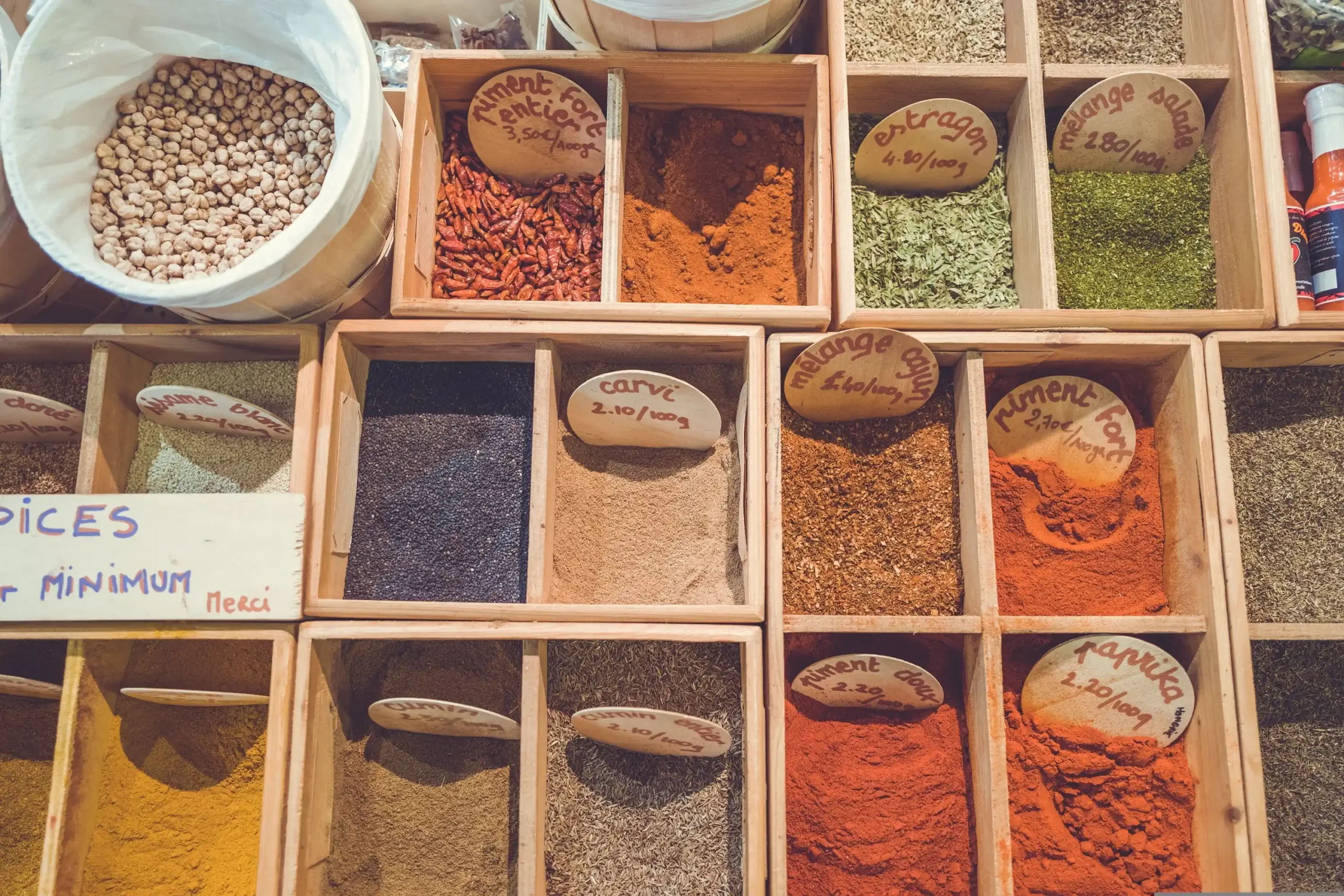
The Origins of Spices in European Kitchens
European food never played it safe. The origins of spices in Europe are tangled in dusty roads, dangerous seas and a hunger for flavour that refused to stay local. Long before spices became background noise in the kitchen, they were obsession. Power. An excuse to cross oceans with no promise of return.
Every jar on the shelf still carries that energy. The danger is gone. The story isn’t. This isn’t a polite history lesson. It’s about movement, risk and the moment Europe realised food could hit harder.
At a glance
- Ancient trade routes shaping European kitchens.
- Silk Road, Mediterranean, Spice Islands.
- Spices as power, wealth, control.
- Global influences behind everyday European cooking.
The Silk Road and the Origins of Spices in Europe
Before engines and shipping containers, flavour travelled slow and brutal. The Silk Road wasn’t a single path. It was a sprawl of routes stitched across deserts and mountains, where caravans crawled forward with camels, courage and cargo that smelled like somewhere else entirely.
Cinnamon. Cardamom. Cloves.
They didn’t arrive quietly. They announced themselves. Rare, expensive and impossible to ignore, these spices became instant status symbols. If they landed on your plate, you weren’t just eating well. You were connected to a world most people only heard about.
Europe tasted global flavour once. That was enough.
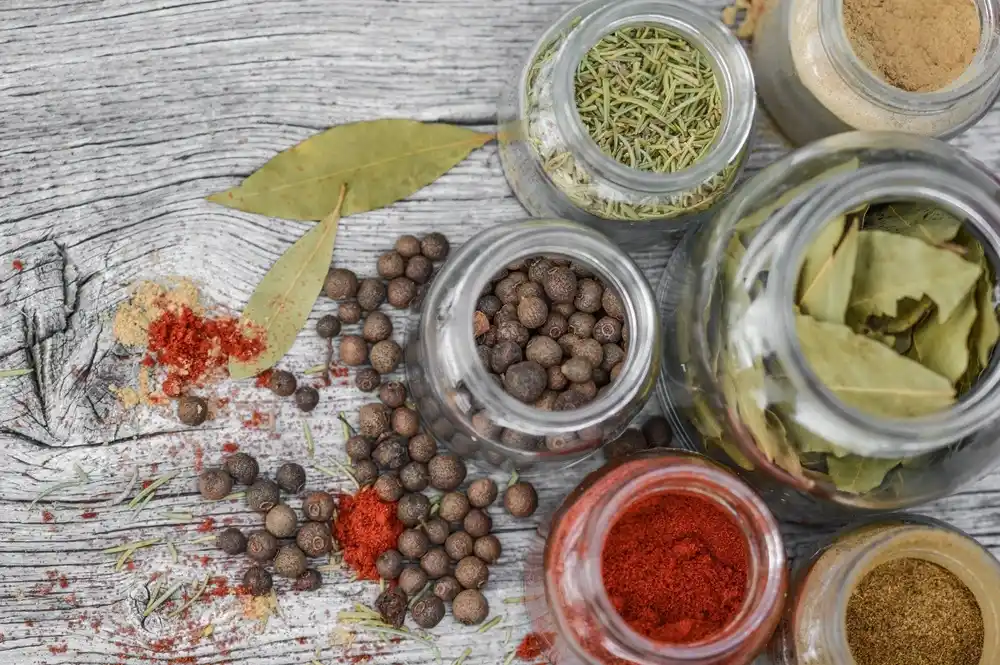
A selection of spices and herbs. ©Monika
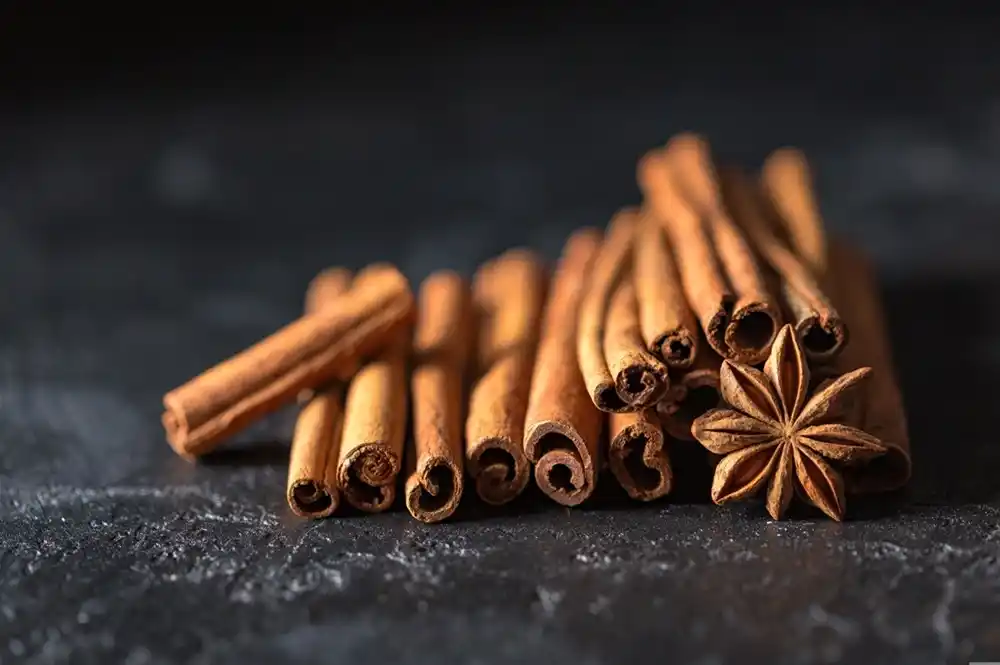
Cinnamon sticks, a fragrant spice. ©Daria-Yakovkeva
Mediterranean Trade Routes and the Rise of Spice Culture
Shift the scene south. The Mediterranean. Blinding sun. Salt in the air. Ports buzzing day and night. Phoenicians, Greeks and Romans turned the sea into a moving marketplace packed with deals, rumours and flavour.
Spices slipped in alongside olive oil and wine. Local herbs met imported heat. Recipes bent, blended and evolved. Europe didn’t copy flavours. It absorbed them.
Here, foreign ingredients stopped being strange and started feeling necessary.
The Spice Islands and Europe’s Obsession with Nutmeg and Cloves
Now zoom in on the Spice Islands. Tiny. Remote. Explosive.
The Moluccas were the only place on Earth growing nutmeg and cloves and Europe lost all restraint. Portuguese ships arrived hungry. Dutch fleets followed, sharper and far more ruthless.
Control meant money. Money meant power. Entire islands were torn apart over spices we now grate into sauces without a second thought.
Back then, these flavours weren’t seasoning. They were strategy.
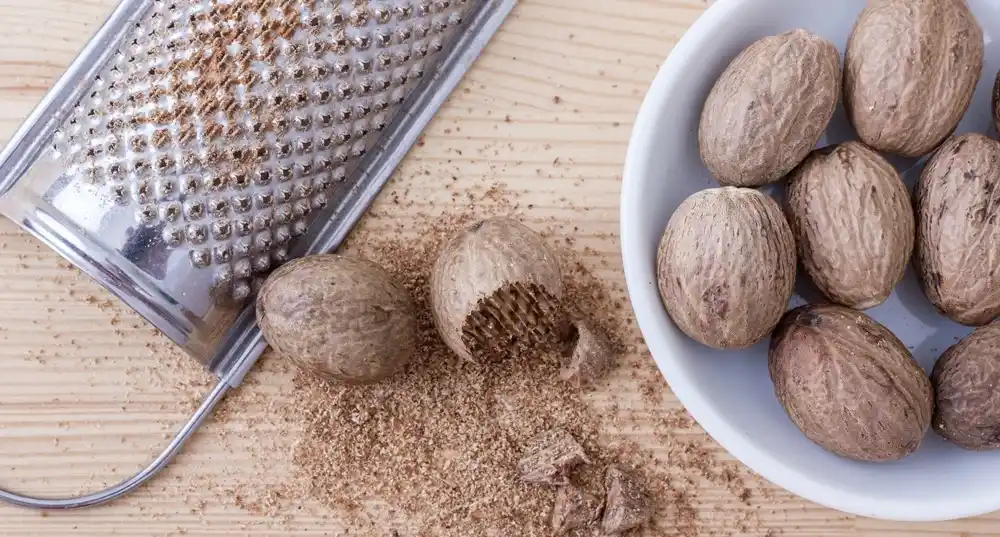
Whole and freshly grated nutmeg. ©Scym
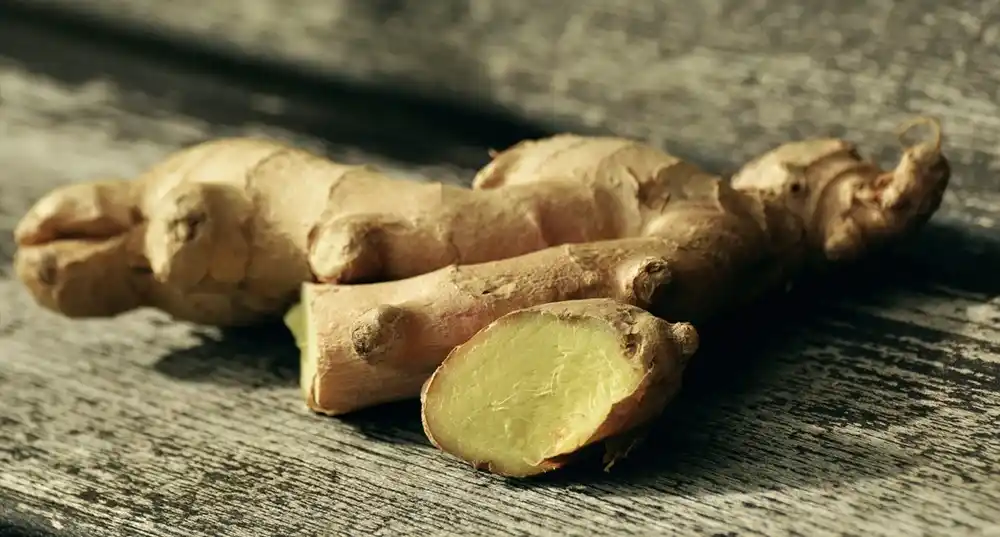
Fresh ginger root. ©Congerdesign
Colonial Spice Empires and the Transformation of European Cuisine
As European empires spread, spices stopped being rare trophies and started becoming habits. Pepper, ginger and cinnamon poured in through tightened trade routes and sprawling plantation systems.
Kitchens changed. Food grew warmer. Deeper. Louder.
Spices moved from royal banquets to everyday meals. European cuisine didn’t just expand, it levelled up and flavours from far beyond the continent were doing the heavy lifting.
How Global Spice Exchange Reshaped Modern European Food
Jump to now and borders barely exist in the kitchen. Indian spices slide into British comfort food. Paprika defines whole regions. Curry houses sit next to bakeries like they’ve always belonged there.
That’s centuries of movement showing up on your plate.
European food today is layered, borrowed and blended. No single tradition stands alone anymore and that’s exactly why it works.
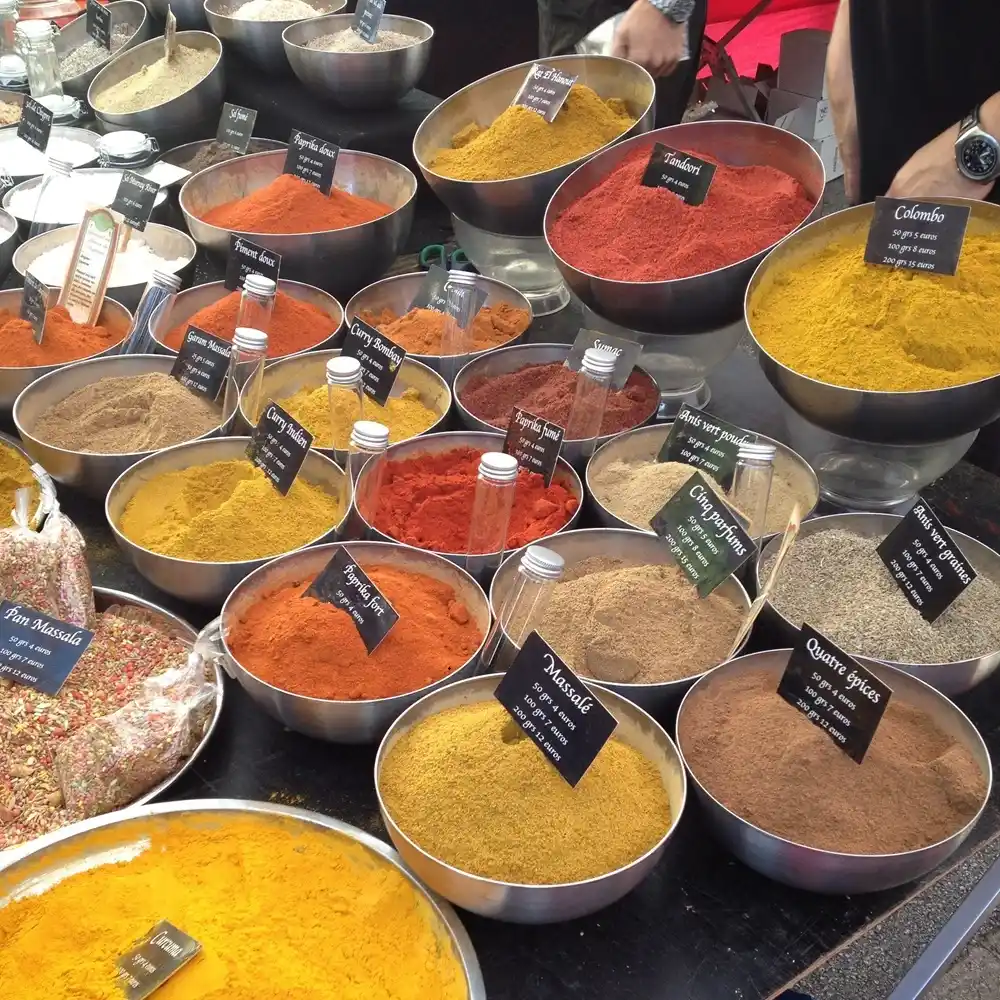
A vibrant display of spice blends. ©Carevkin
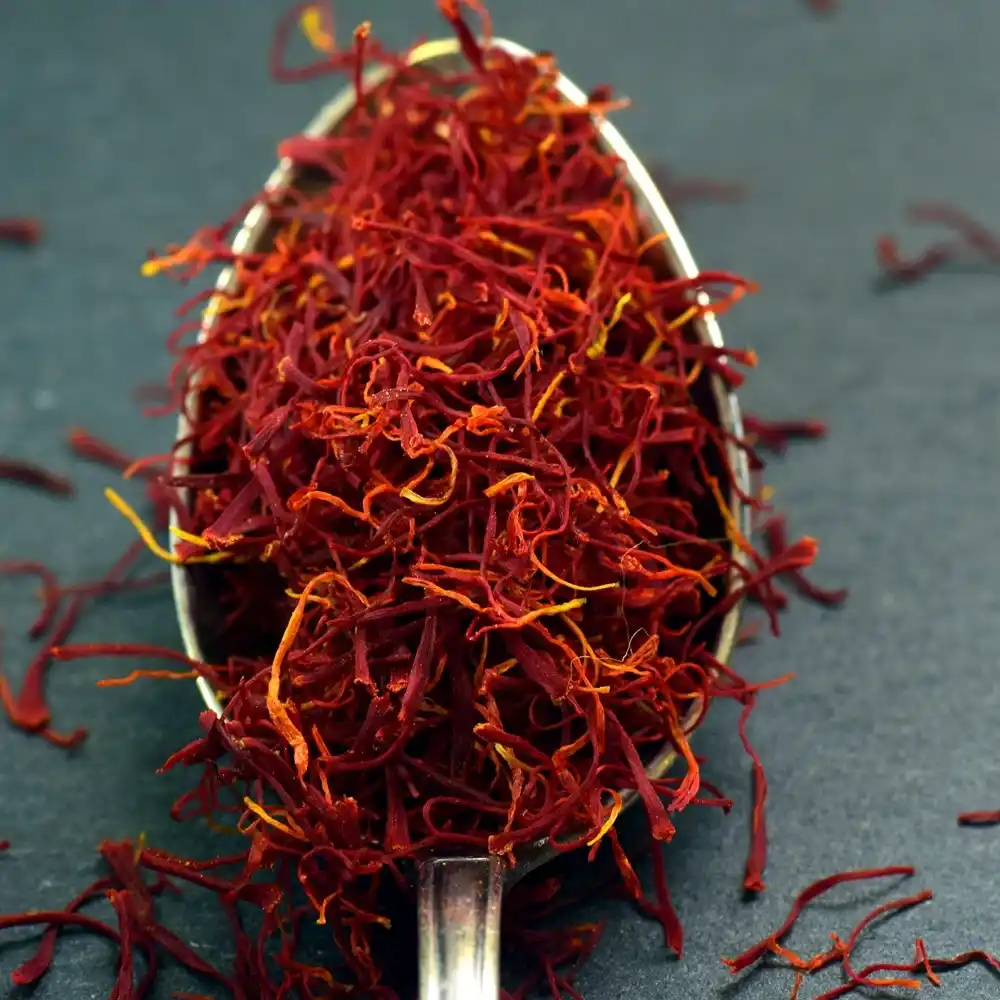
Delicate threads of saffron. ©Leopictures
The Future of Spices in Europe and Ethical Sourcing
These days, spices come with questions. Where did they grow? Who harvested them? Who actually benefits once they reach our kitchens?
Flavour still matters. The journey matters too.
Europe keeps cooking with spices shaped by trade, conflict and curiosity. The next chapter isn’t about discovery. It’s about responsibility. Same heat. New awareness.
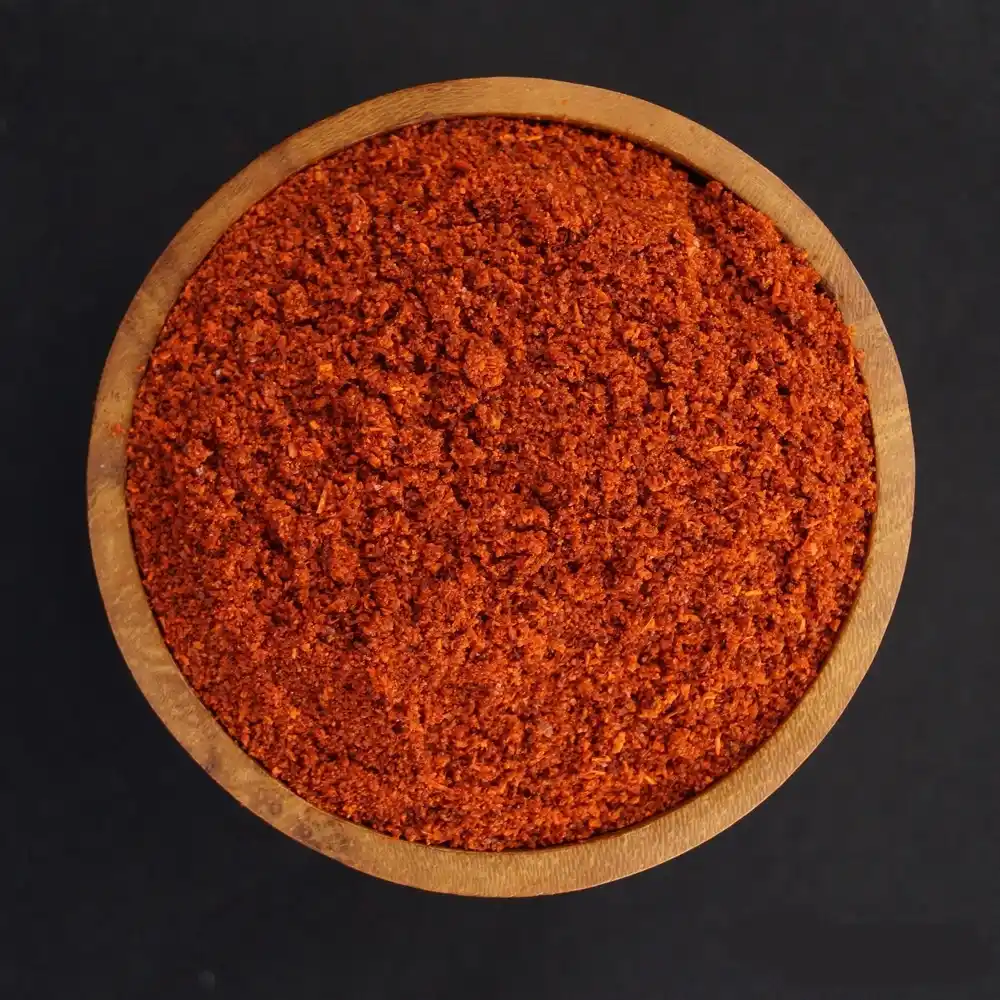
Crack open a jar of paprika. Crush saffron between your fingers. What you’re holding isn’t just flavour. It’s movement. Ambition. Centuries of human chaos condensed into something you can sprinkle on dinner.
The origins of spices in Europe remind us that food has always been more than fuel. It’s connection. Curiosity. The urge to taste what’s beyond the horizon.
And once that urge kicks in, there’s no turning back.
Hanan: text1 December 2023, updated 15 January 2026
You Might Like This
Loved this one? We picked a few more you might like.

Your voice!
Hearing about the Moluccas makes me proud because those spices are from my home. Seeing how they changed kitchens over there is a wild vibe. Markets here still smell legendary.
Proper history lesson right here. Seeing how these spices reached us after such a wild journey is mind-blowing. Makes my evening snack feel way more special. Great vibes.
Spices as revolutions, not just flavour, this resonates. In Oman, cloves and cardamom whisper stories of Zanzibar and Kerala. Europe’s spice craze mirrors our own past. Food is history on a plate.
Reading this made me rethink my spice rack. Every pinch has history, trade and conflict behind it, not just taste. Kinda reminds why cooking deserves respect 🙂
Spices shaped European cuisine, changed the game. Digging into food stories 😊
The spice trade stuff hits different when you’re from where it all started. Wild how Europe went crazy for what we’ve been using forever. That colonial bit though – needed saying.
Always thinking of the hands that planted these seeds. That history changes how I cook today.